To use emojis, or not to use emojis? This question has been debated ad nauseam in professional circles and LinkedIn threads for nearly two decades. And, given the number of smileys and rocket ships sprinkled throughout brands’ social media posts, emails, and other online communications, it’s pretty clear the pro-emoji camp has won.
But what about in brand SMS messages?
Are texts using emojis considered a professional faux pas, or can they help boost engagement? And if you do decide to use them, what rules should you consider, and how might these tiny digital images impact your SMS campaigns on a technical level?
To help you decide where you land on emoji usage, we’re diving into data, examples, and best practices. Here’s what you need to know:
Key Takeaways from the Report on Emoji Use in Business Texting
In our 2025 SMS Marketing Stats & 2026 Best Practices report, we analyzed 50 million messages sent and received by our customers and uncovered a couple of interesting insights related to message length and emoji use.
First, we found that the average message clocked in at 153 characters. Since the SMS protocol limits messages to 160 characters (and splits longer messages into multiple segments), this validated what we already knew: smart marketers are working hard to keep messages concise while making use of nearly every available character.
Second, we found that only 2% of all messages included emojis, which was a little shocking. After all, emoji use has become more commonplace for brands over the past few years. And while some organizations may still be hesitant to include emojis in marketing or customer service messaging for fear it might not align with their brand’s voice or image, 2% still felt incredibly low. Especially given that emojis are associated with higher open and engagement rates, according to Helios.
If they’re so beneficial, why aren’t more brands using emojis in text messages?
Why Emojis Can Change SMS Length, Cost, and Delivery
It turns out that, when it comes to brands sending SMS messages to their audiences, emoji use isn’t as cut and dry as you might expect. In addition to determining whether emoji use aligns with your brand identity (and the purposes of your messages), you also need to weigh how emojis can impact message length and delivery.
As we touched on above, SMS messages are limited to 140 bytes of data, which equates to about 160 characters (when you use GSM-7 coding, which is the standard for most English characters). When a message exceeds this limit, SMS gateways (the technology that converts messages sent via an SMS platform into a format compatible with mobile phones) split the message into multiple segments. It also encodes segments with metadata so carriers can reassemble them into a single seamless message for the recipient (a process called “concatenation”).
The challenge is that there’s an additional cost for each segment you send, which can really add up — especially if you’re sending a campaign to thousands or millions of recipients at once.
But what does this have to do with emojis?
Using an emoji in an SMS message converts it to Unicode encoding (UCS-2), which has a shorter character limit (about 70 characters per segment). In other words, if you use an emoji in your text, you have less room to get your message across in a single segment and may end up paying to send multiple segments (depending on the length of your text).
It’s also worth noting that, while the concatenation process usually works well, it’s not perfect. If your message encounters delivery or metadata issues, the message segments may be delayed, delivered separately, or arrive out of order.
When Emojis Make Sense in Customer Texting
Given the concerns around message delivery and cost, it might seem easier to simply write off emoji use entirely. But just because it can affect how your messages are segmented doesn’t mean it’s never worthwhile. In addition to boosting opens and engagement, it can also help your overall brand reputation. According to data shared by Zoominfo, 78% of people say emoji use makes you more likable, and 63% say positive emoji use increases credibility. The trick is knowing when to use emojis and when to avoid them.
Here are a few instances in which using an emoji may be a smart move:
-
When you’re sending a short message
If you already know you need fewer than 70 characters to get your message across, then it might be a good time to add in an emoji. (Assuming, of course, that it’s appropriate and relevant to the message content.)
Example:
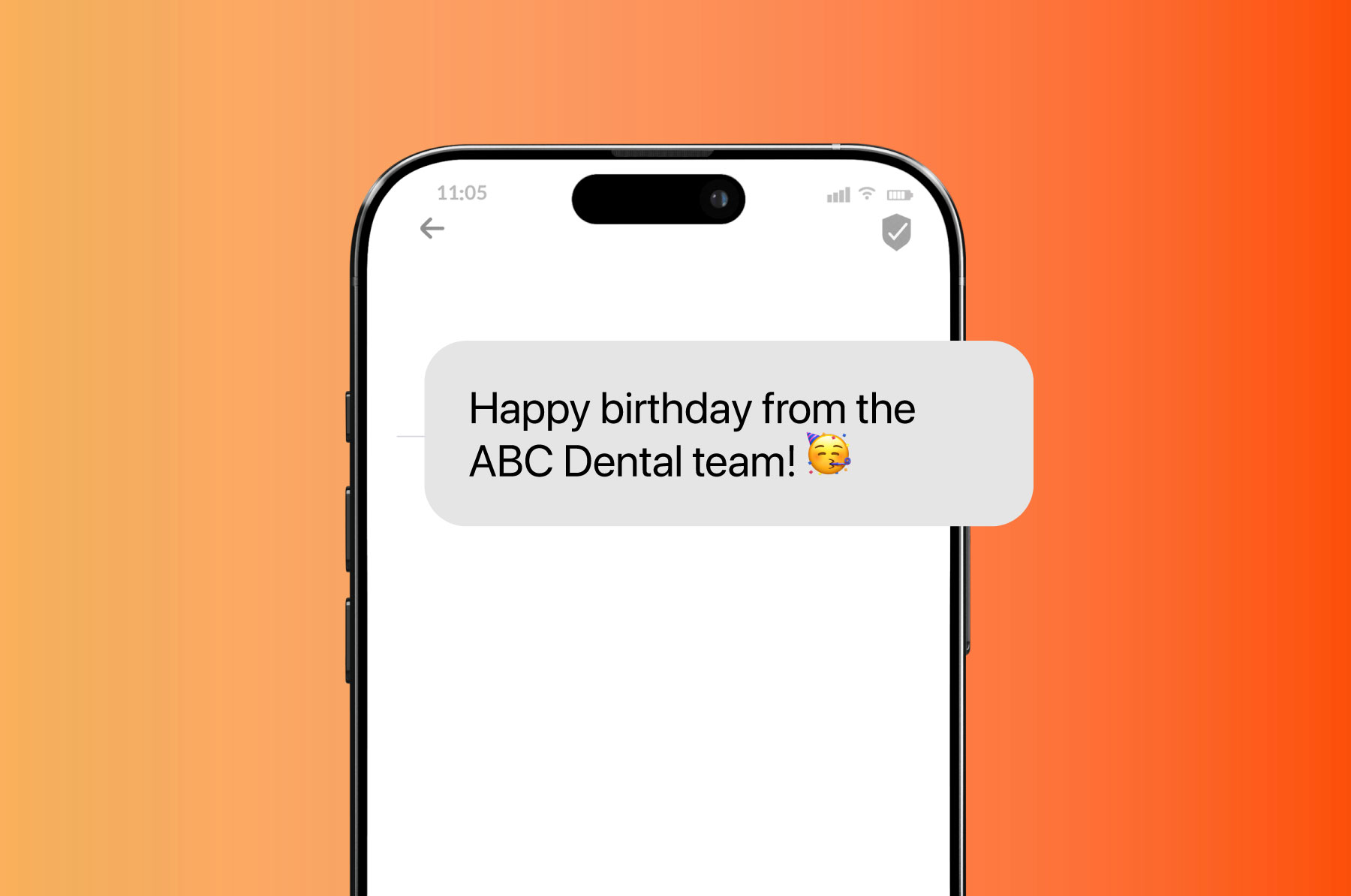
Happy birthday from the ABC Dental team! 🥳
Hi Jen! 👋 Ready to schedule your advising session? -
When you want to reinforce a friendly tone
Emojis are an excellent way to humanize messages, especially in situations when messages might otherwise feel too cold or transactional, or when a little friendliness can help build excitement or offset anxiety.
Example:
Your application has been submitted! 🎓✨ We’ll be in touch soon.
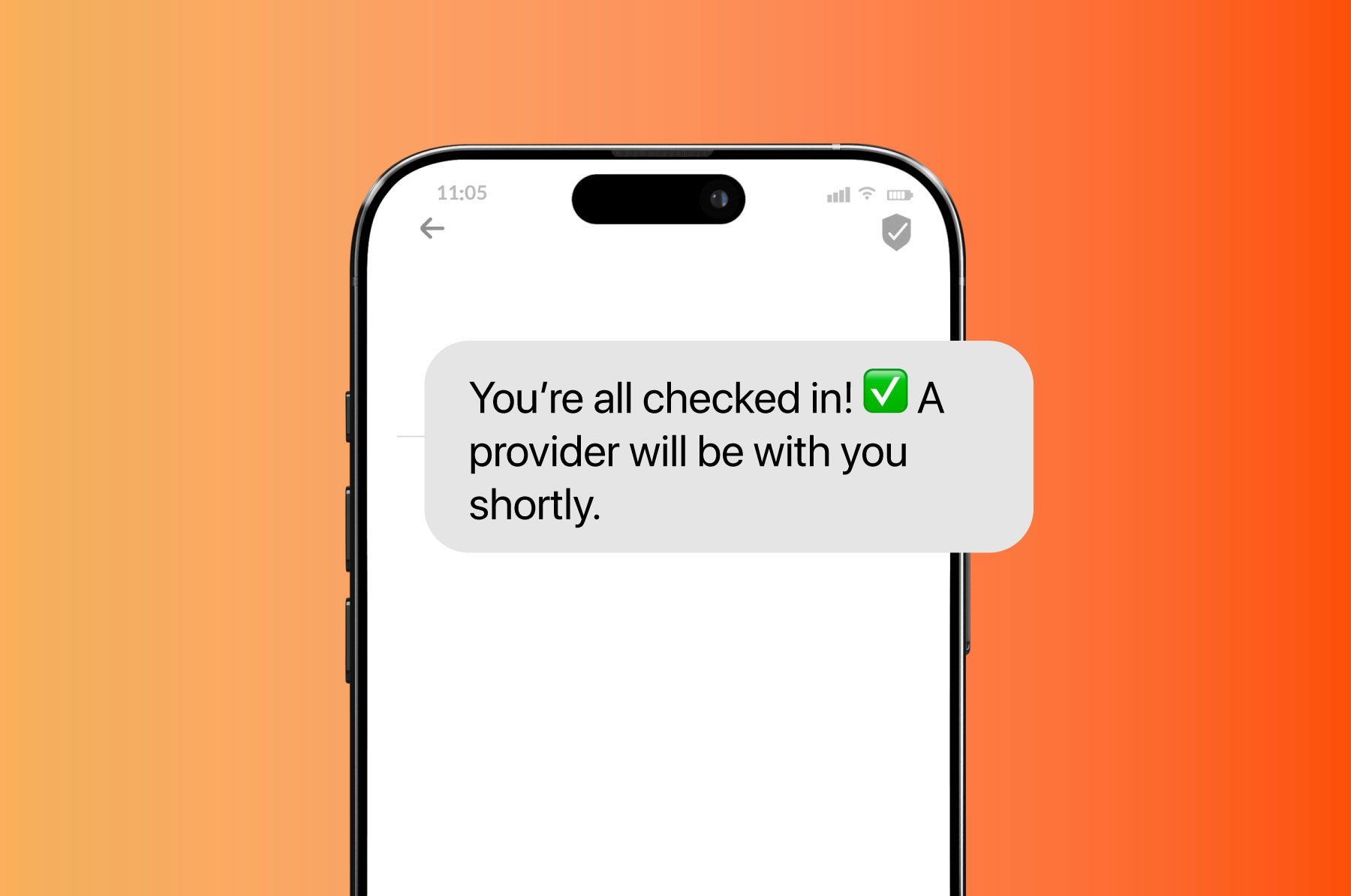
You’re all checked in! ✅ A provider will be with you shortly.
-
When you want to grab attention for a time-sensitive message
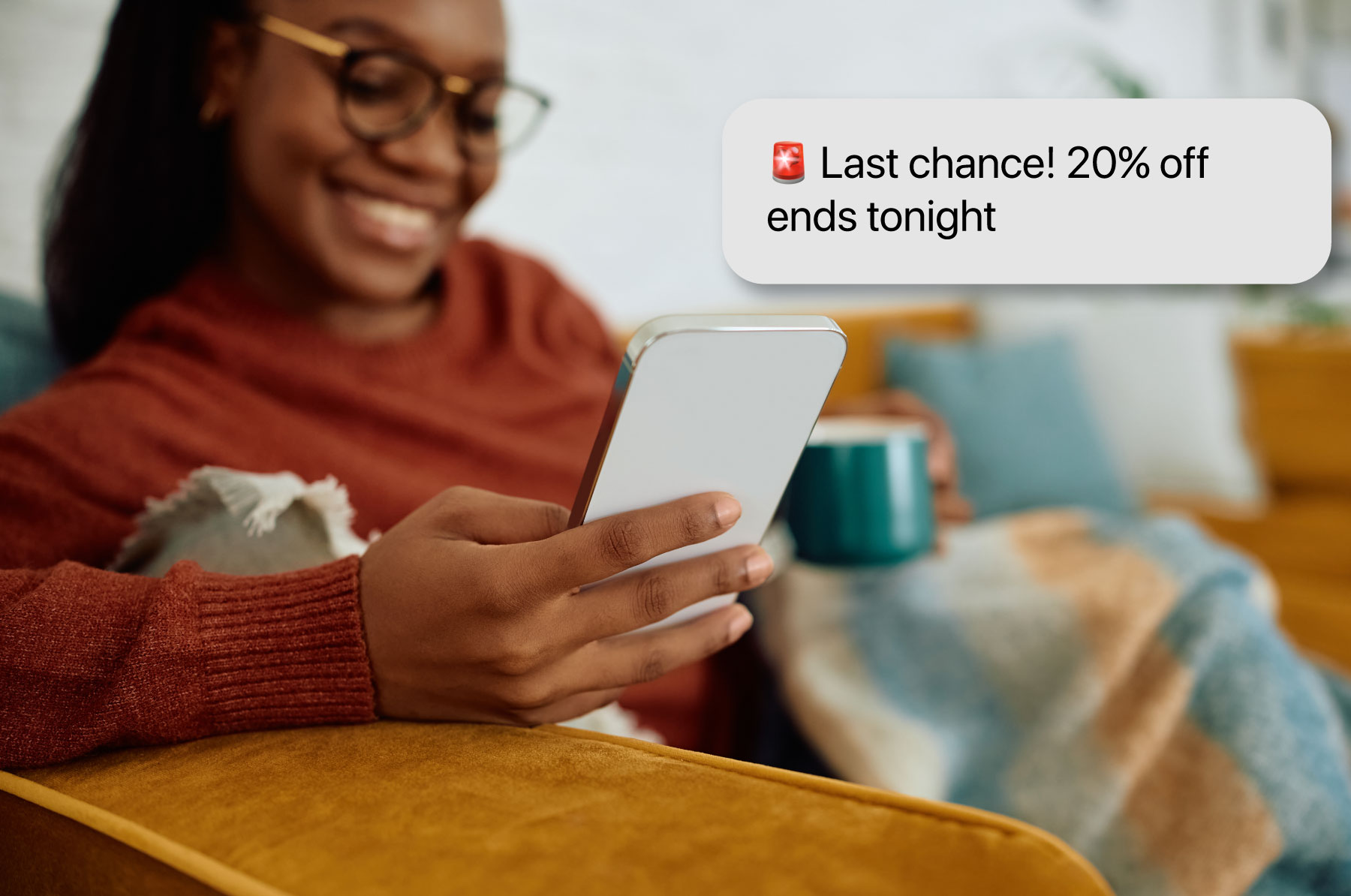
Most recipients read their text messages within a few minutes of receiving them, but a well-placed emoji can drive even faster engagement. This is particularly helpful when you want a recipient to take action quickly, such as when you’re reminding them about an offer that’s about to expire or an event that’s about to begin.
Example:
🚨 Last chance! 20% off ends tonight
⏰ The webinar will begin in 15 minutes!
-
When you want to help make information more scannable
Attention spans are waning, and the easier you can make your content to consume, the more likely your audience is to engage. Emojis can be great as bullet points or to emphasize options.
Example:
Appointment confirmed!
🗓️ June 25
⏰ 2 p.m.
📍123 Main St.
Best Practices for Using Emojis Without Overdoing It
Possibly one of the biggest arguments in favor of emoji use is that it can help make your messages feel more authentic and help them stand out from the dozens of dull, colorless messages in your audience’s text inboxes. That said, if you decide to send texts using emojis, it’s crucial you follow a few guidelines:
Keep it On-Brand and Clear
While it’s certainly become more common to see emojis in the workplace, some organizations still feel uncomfortable using them when communicating directly with their audience. And while emoji use isn’t inherently unprofessional, using the wrong emojis can look clumsy or leave your audience with a bad impression of your brand.
That’s why it’s important to lay some ground rules around the types of emojis you use and when you use them. For example, you need to exercise sensitivity and avoid using emojis that could come off as offensive or inappropriate in the context of your message. (E.g., Using a frowning face emoji when delivering unwelcome news could seem callous or rude.)
Bottom line: Only use emojis when they align with your brand’s voice and the tone of your communication.
Use Fewer Emojis, with a Clear Purpose
We recommend treating emojis like cayenne pepper. A small sprinkling can help boost engagement and interest, but too much makes your enterprise messages borderline impossible to consume. In most cases, just one or two emojis is more than enough in a single message. Additionally, make sure that each emoji you use serves a specific purpose (such as reinforcing the message’s tone or drawing attention to essential details). Overloading your messages with emojis can come across as spammy and ill-considered, and make them hard to read.
Avoid Confusing or Risky Emoji Meanings
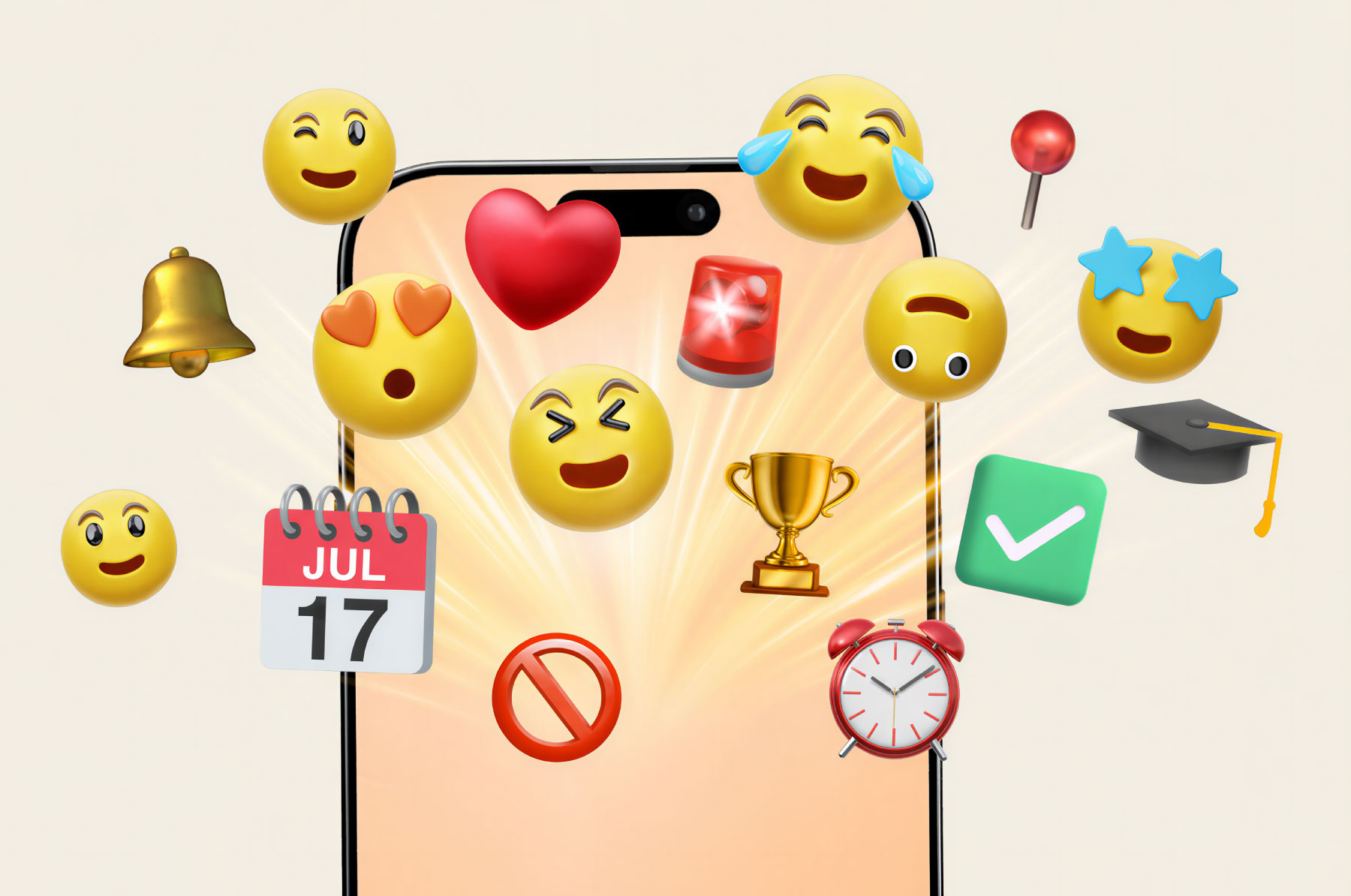
When you’re sending texts using emojis, make sure you understand what they mean. Some emojis (such as certain hand gestures) carry multiple meanings and can have unintended connotations, especially across different age groups or cultures. If you’re not sure, stick with emojis that are widely recognized and commonly used by brands, such as checkmarks, location pins, clocks, and alarms. (And if you’re ever in doubt about whether an emoji may come across as inappropriate to your audience, a quick Google search can usually clear it up.)
Make Sure Links, Opt-Out Text, and Key Details Stay Visible
Emojis can help capture audiences’ attention, but they can also distract from critical information — especially if they aren’t well-placed, or you’re using too many. Make sure your compliance disclosures and call-to-action details are easy to find and read.
Additionally, avoid placing emojis directly next to URLs or adding them in ways that could break your formatting or confuse the message if the emoji doesn’t come through. (For example, don’t use an emoji in place of a word.) A good rule of thumb is to make sure your message still makes sense even if the emoji is removed.
How to Test Emoji Use the Right Way
As with any element of your message, it’s important that you test emoji use, track performance, customize, and measure outcomes to ensure it benefits your brand. Here are three things we recommend to help ensure you’re using emojis to your advantage:
Run A/B Tests
If you’re still on the fence about whether or not to send texts using emojis, start with a simple A/B test: send a text message with an emoji to one cross-section of your audience, and another version of the text message without an emoji to an equal number of recipients. You can also use A/B tests to try different types of emojis, test emoji placement, or discover whether different segments of your audience respond to emoji use differently.
Track Key Metrics
When sending messages with emojis, keep a close eye on metrics such as link clicks and opt-outs, and monitor responses for complaints. All of this data will give you greater insight into whether your emoji use is helping or hurting a campaign, and can help you identify potential issues. For example, if you’re not receiving any link clicks, you may want to make sure your emojis aren’t disrupting any formatting. Or, if you’re suddenly receiving lots of opt-outs, you may be overdoing it with emojis or using an emoji people find inappropriate.
Tailor Emoji Use to Segments
Emojis aren’t one-size-fits-all. That is, you don’t have to use emojis across the board, nor do you need to use the same emoji for every recipient. In most cases, it’s wise to tailor emoji use by segment. For example, you might avoid emojis in your first message to a new customer, but try one out in a subsequent campaign. Or you may choose to use emojis only for certain message types (like reminders and time-sensitive alerts).
The more comfortable you become with emoji use and the more data you have on how well they work for your brand, the easier it will be to include them in your campaigns.
When Emojis are Not Enough: Use Richer Visuals with RCS
Emojis are a great way to add a bit of interest and familiarity to SMS messages. But thanks to RCS (Rich Communication Services), they’re certainly not the only way to deliver a more visual experience.
With this newer messaging protocol, organizations can deliver immersive, branded, app-like experiences directly to their audiences’ native text messaging inbox. By leveraging RCS messages, you’ll have access to:
-
Strong trust signals and security
With a verified sender profile, you can include your brand name, logo, and colors, along with a verified checkmark in the message experience, so your contacts know the communications are coming from your organization (not an impersonator). And with messages encrypted during transit (and end-to-end encryption available via supported apps), RCS communications stay private and secure.
-
Rich, interactive features
Beyond emojis, RCS allows you to include high-quality images, videos, GIFs, and image carousels to captivate your audience. You can also enable typing indicators, message reactions, and read receipts to help your two-way communications feel more like authentic one-on-one conversations.
-
Reliable reach (with SMS fallback)
Although RCS adoption has increased significantly across the U.S. over the past couple of years, it still isn’t universally available on all carriers and devices. Fortunately, with SMS fallback, you can easily continue to reach all your contacts. In cases when recipients can’t receive the RCS version of your message, they’ll receive an SMS version instead.
And that’s just the start. Check out Your Ultimate Guide to Getting Started with RCS to learn everything you need to know about this modern form of messaging.
FAQs
-
Should brands use emojis in SMS marketing?
Emojis help brands grab contacts’ attention, reinforce a friendly tone, and make essential information stand out. But when used incorrectly, emojis can cause formatting issues or convey the wrong meaning. So, if you opt to use emojis in your messages, make sure you do so sparingly and with a clear purpose, ensure the emojis are aligned with the tone of your message, and ensure the emoji you use doesn’t have an inappropriate connotation.
-
Do emojis increase SMS character count and message segments?
Yes, emojis increase your character count (and often count as two or more characters). And, if your messages go over the character limit, they’ll be split into multiple segments. It’s also important to note that emojis force the message into Unicode encoding, which has a shorter character limit (70 characters) than the standard for English, GSM-7 encoding (160 characters).
-
How many emojis should you use in a text message?
In most cases, just one or two well-placed emojis per message is more than enough to help boost engagement and entice recipients to open your texts. Using too many emojis can make your messages look spammy and challenging to read.
Interested in learning more about how brands use emojis, when our customers send the most messages, and which regions have the most responsive texters? Download our 2025 SMS Marketing Stats & 2026 Best Practices now!