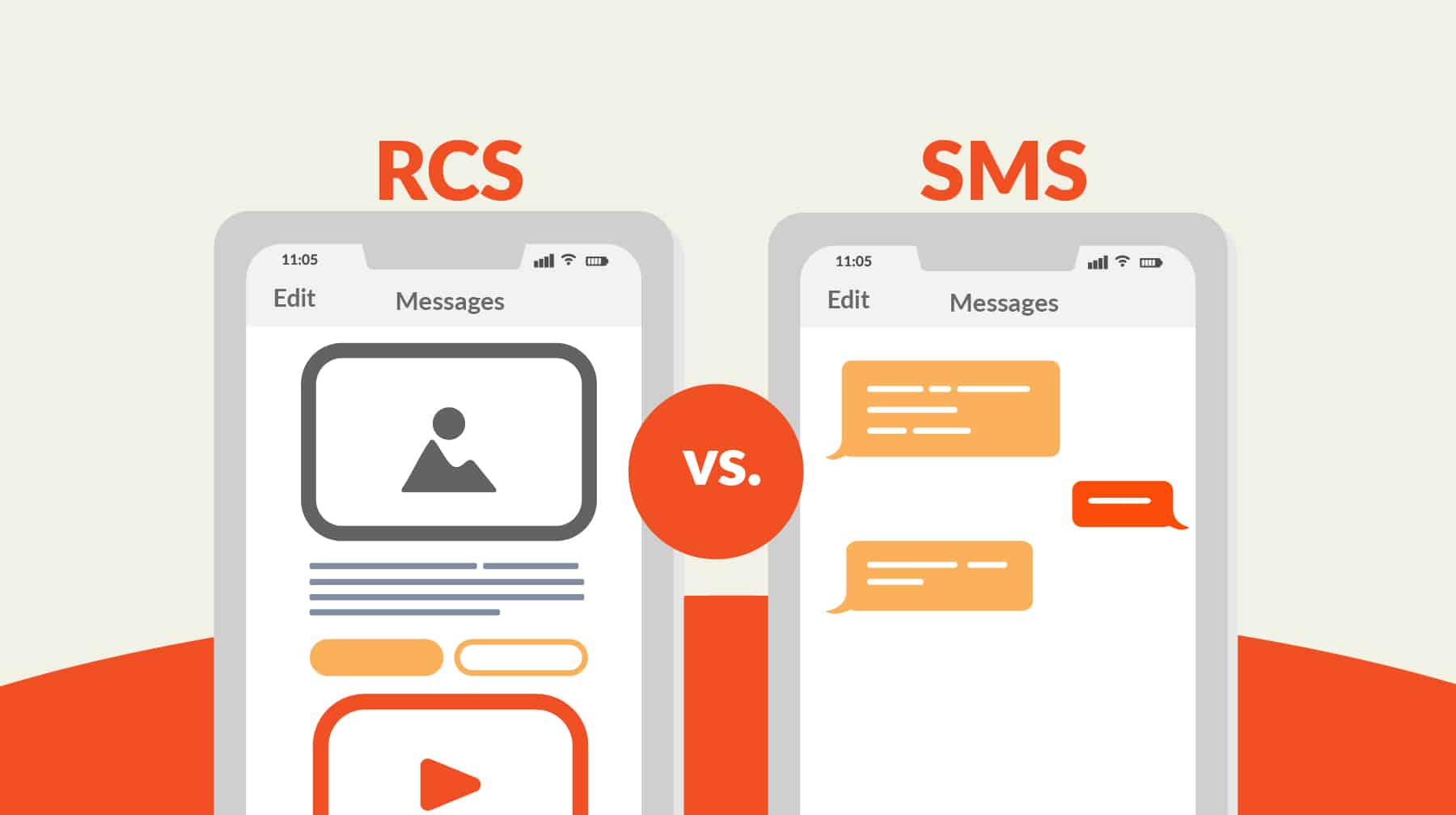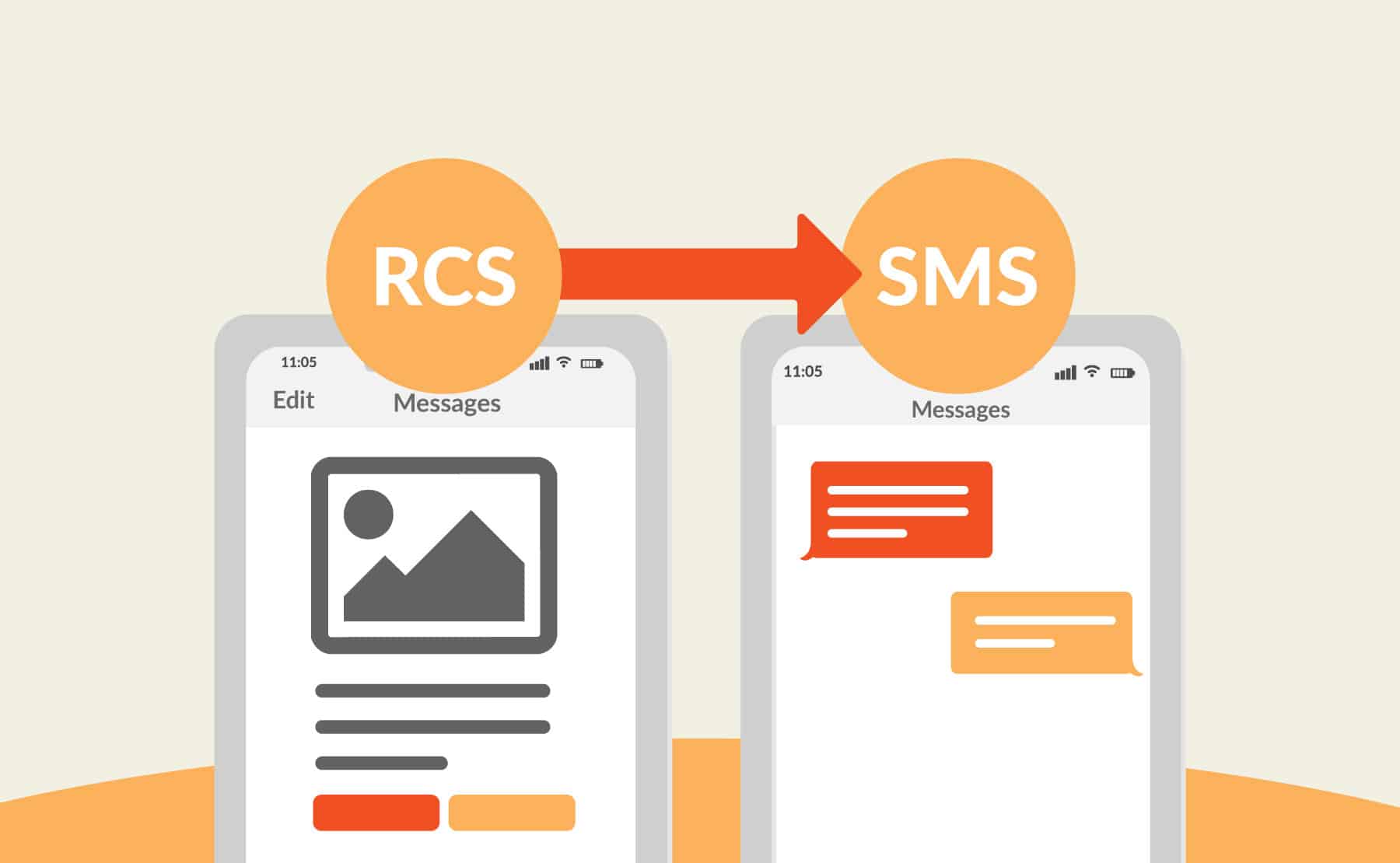


In late 2024, Apple finally joined Google in supporting RCS (Rich Communication Services), which marked a major turning point in bringing this new era of messaging into the mainstream.
Early adopters spent the following year scrambling to learn as much as they could. Meanwhile, marketing leaders who were previously hesitant about texting their audiences began rethinking their strategy, lured by the promise of delivering more interactive, visually appealing messaging experiences.
Today, RCS has officially reached a point of rapid adoption — especially among businesses that want to lead the pack. And comparing RCS service providers is an essential first step to harnessing the power of this modern messaging protocol.
In this guide, we’ll walk you through what RCS service providers can offer, why this is the year to take the leap, and a roundup of the best RCS platforms on the market so you can get the tech you need to hit the ground running.
What Is an RCS Service Provider?
You’ve read all about RCS vs SMS, done the research on what RCS can offer, and decided it’s something you’d like to pursue. But how, exactly, do you make this work? After all, it’s not like you can (or should) text thousands of contacts from your personal device. But how else do you get those ultra-engaging, visually rich messages in front of your audience?
That’s where RCS service providers come in.
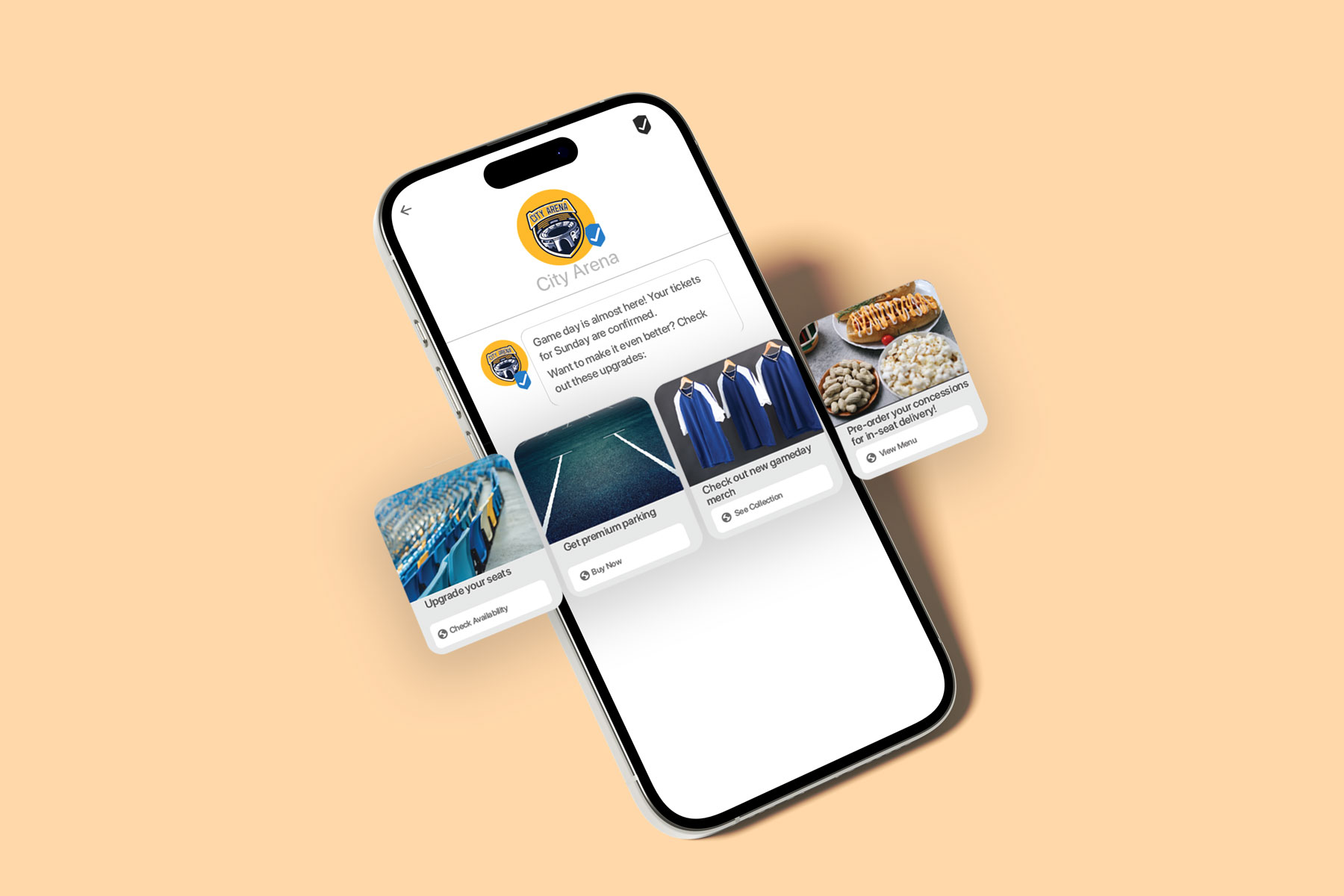
An RCS service provider is a platform businesses can use to send RCS messages to their contacts’ mobile devices, enabling them to deliver everything from high-resolution images, videos, and image carousels to customizable and tappable CTAs, suggested responses, and more.
More specifically, your RCS service provider acts as a bridge between your brand and your audience’s native messaging app, providing the technical infrastructure and built-in compliance support you need to leverage RCS, along with additional features to boost your messaging ROI. For example, leading RCS platforms for business also include robust reporting dashboards and easy integrations so you can connect the solution to your existing sales and marketing tech stack.
Why Businesses Are Upgrading to RCS in 2026
If you’re old enough to have browsed the internet in the Y2K era, you likely remember when the World Wide Web was a rugged new frontier filled with low-resolution graphics and cluttered design. Thankfully, design has evolved since then — but so have audience expectations.
Today, people have grown so accustomed to visually rich, highly immersive interfaces that it’s now challenging to hold anyone’s attention without delivering an ultra-polished user experience. Fortunately, RCS gives brands the power to create those app-like experiences directly within contacts’ default texting application. (And, so long as you invest in the right RCS messaging platform to support it, you can still benefit from the universal reach of SMS by leveraging it as a fallback.)
How To Choose an RCS Platform for Business
Evaluating RCS service providers can be overwhelming if you don’t know where to start. After all, there are tons of solutions on the market, all promising to help you achieve your goals. But the best RCS messaging platform for your business will go beyond simply enabling rich messaging to equip you and your team with the right expertise, support your brand in maintaining compliance, and scale effortlessly as your organization grows and your needs evolve.
Here is a list of key criteria to consider as you compare RCS solutions:
-
RCS experience and expertise
RCS is still relatively new, especially in business, so it’s vital that you choose a solution built by a team with proven expertise. Look for indicators of their proficiency, like documented thought leadership on RCS-related topics, case studies, and a willingness to help clients get up to speed through educational content.
Additionally, make sure the company you choose has a track record of success helping organizations build and launch text marketing programs. Ideally, choose a solution that began as an SMS platform and has plenty of experience supporting brands through this channel. While RCS may have more modern features than SMS, many of the same core tenets apply, and this experience will come in handy.
-
10DLC registration support (for SMS fallback)
Although adoption has grown considerably over the past couple of years, RCS isn’t yet available everywhere. Today, SMS remains the universal standard, which means it’s supported by nearly every carrier and device on the planet, and a strong platform should automatically fall back to SMS in those cases when a device can’t receive an RCS message. Look for a solution that helps you navigate the 10DLC registration process so you can easily set up a carrier-compliant number for SMS fallback. Additionally, choose a provider that lets you create and customize a fallback message so SMS recipients aren’t just receiving a stripped-down version of the same message.
-
Integrations
Marketing, sales, and customer support teams are stretched thinner than ever, and the last thing your organization needs is a clunky piece of tech that adds more complexity to employees’ workflows. Instead, make sure the RCS software you choose integrates with your existing tech, such as your CRM and marketing automation platform. This makes it much easier to sync data, manage cross-channel campaigns, set up automations, and get a more comprehensive view of performance.
Additionally, when it comes to integrations, ask providers whether their products integrate natively or require you to invest in third-party tools like Zapier to manage them. (This will give you a better idea of how much your engineering team will need to be involved and whether you will need to factor additional tools into your budget.)
-
Compliance support
Enterprise messaging is subject to a lengthy list of strict regulatory requirements, especially when it comes to consent, disclosures, frequency/timing, and opt-out processes. And it’s crucial you adhere to text marketing laws and guidelines, regardless of whether you’re sending SMS messages, RCS messages, or a combination of both. Make sure the platform you select has built-in compliance features and a thorough understanding of the latest regulations and best practices.
Additionally, organizations in industries such as healthcare and financial services often must meet additional requirements, especially regarding data privacy and security. So, you’ll want to be sure that the RCS service provider you partner with meets all the necessary standards.
-
RCS Agent setup and strategy support
Diving into RCS for the first time can be overwhelming. That’s why, in addition to having a provider with experience in delivering RCS experiences, you also want a partner who will help you navigate the RCS Agent registration process (which can be complex and takes several weeks) and develop a brand strategy for your agents. For example, many brands don’t realize there are different RCS Agents classifications (E.g., transactional, promotional, and multi-use), and each requires its own approval.
Having assistance with agent setup and approval, as well as a thought partner to devise the best agent strategy, will eliminate the headaches and roadblocks many brands experience when first launching an RCS program.
-
Reporting and analytics
One of the major benefits of using RCS is that it equips you with more actionable, behavioral data about your messages. For example, you can get insight into read receipts, click-through rates, and engagement with specific interactive elements (such as buttons and carousels). Look for providers that can help you track these metrics and make sense of the data you collect through a user-friendly dashboard.
-
Ease of use
One question every brand should ask before investing in any new software is, “How easy is it to use?” As you compare RCS service providers, carefully consider whether each platform is intuitive enough for your team to use efficiently and effectively. For example, does the platform rely on an API to deliver RCS experiences, or does it offer a user-friendly visual composer with drag-and-drop functionality?
Solutions that deliver a poor user experience or require constant developer assistance to use will likely create more challenges than they solve, no matter how powerful the tech behind them.
-
Industry experience
RCS solutions are not one-size-fits-all. As you peruse options and compare various criteria, make sure to consider which verticals each provider serves and whether they have any experience supporting organizations like yours. Since every industry has its own unique needs and challenges, it’s important you choose a provider that has the niche expertise necessary to help you drive success with RCS.
-
Pricing
Last, but certainly not least, it’s always important to consider pricing. And, in addition to determining whether a provider’s services fit within your budget, always look at the bigger picture. For example, in addition to monthly or annual baseline pricing, check whether the provider charges for additional users, adds a markup to carrier pass-through fees, or expects you to invest in additional tools (such as Zapier) to manage integrations.

The 10 Best RCS Service Providers for Businesses in 2026
Although RCS is still relatively new, especially as a marketing channel, the market for RCS business services has grown rapidly. Today, countless providers are offering a wide range of features and toolsets.
Now that we’ve covered why RCS adoption is on the rise and various criteria to look for in an RCS service provider, let’s explore some of the top solutions on the market:
TrueDialog
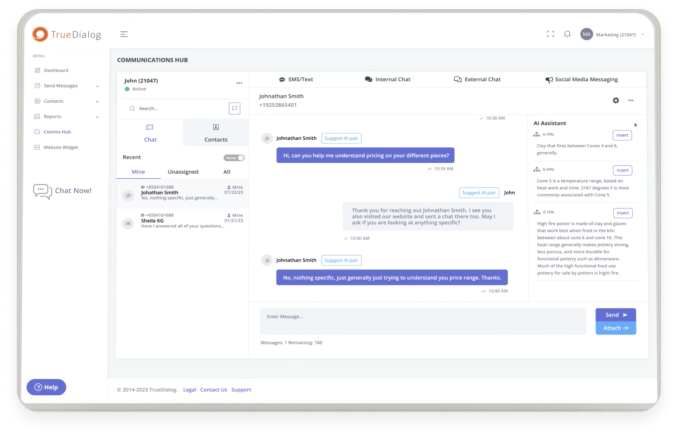
TrueDialog is a U.S.-based CPaaS (Communications Platform as a Service) and longtime leader in enterprise texting technology, with a mission to simplify business communications and empower companies to drive engagement across the customer lifecycle. The user-friendly platform is designed to support large, fast-growing organizations with high-volume needs across higher education, sports and entertainment, financial services, B2B tech, and healthcare, and serves businesses across the U.S. and Canada.
What sets TrueDialog apart:
-
Deep RCS expertise and reliability
The TrueDialog team has advanced expertise in RCS and has demonstrated thought leadership in the space through educational webinars and guides. Additionally, the platform maintains 99% uptime and direct carrier connections to ensure high deliverability and reliable SMS fallback.
-
User-friendly interface
This provider is well known for its easy-to-use interface and offers a no-code RCS composer that makes building and launching multi-channel campaigns a cinch — even for users new to text marketing.
-
Native integrations
TrueDialog natively integrates with leading CRMs and marketing automation software, including Salesforce, HubSpot, Eloqua, and more, so brands of all sizes can get started quickly without waiting for developer support. The platform also offers a powerful API for more bespoke workflows and use cases. (In other words, the software offers plenty of options for custom, back-end development while also remaining easy for front-line teams.)
Twilio
Twilio is a developer-first CPaaS with flexible APIs and global reach. It’s an incredibly powerful omnichannel platform for organizations with ample in-house development resources to support it (though it can be challenging for those without).
What sets Twilio apart:
-
Customizable APIs
Twilio offers teams a lot of control over their messaging experiences, which is especially helpful for enterprise organizations with unique workflows and more complex customer journeys. (However, because its RCS offering is API-only, it does require substantial development resources.)
-
Developer-first ecosystem
This platform has plenty of tools, documentation, and support to help development teams move quickly and troubleshoot problems more efficiently. It equips technically minded experts with everything they need to build more sophisticated messaging flows.
-
Enterprise capabilities
Twilio has the infrastructure to help large enterprise brands reach customers across multiple channels (including RCS) via its Customer Engagement Platform (CEP), and plenty of experience supporting Fortune 500 organizations.
Sinch
Sinch is another global messaging provider that’s committed to delivering secure, scalable communication across multiple channels. Its user-friendly applications help marketers quickly engage customers via text, email, voice, or even their own chatbots. However, it can be complex to implement, especially for organizations that lack extensive in-house development support.
What sets Sinch apart:
-
RCS expertise
Sinch has been actively educating its audience on RCS for years, helping organizations prepare long before adoption increased. This foresight demonstrates the team’s commitment to staying on top of evolutions and trends in the enterprise messaging space.
-
High scalability
This provider built its platform to scale fast, which is especially helpful for extra-large enterprises with rapidly growing needs.
-
Global omnichannel support
As a global enterprise leader (with more than 5000 employees and a strong product portfolio thanks to multiple acquisitions), Sinch makes it easy for organizations to excel with omnichannel campaigns. In fact, users can connect with audiences across 13 messaging channels using a single API.
Infobip
Infobip is a popular UK-based omnichannel messaging platform that offers deep carrier connectivity and has worked with many of the world’s largest corporations. Its advanced and extensive platform offers plenty of opportunities, but can be overwhelming for smaller teams or organizations with less complex needs.
What sets Infobip apart:
-
Extensive global carrier network
Infobip’s direct relationships with international telecom carriers help ensure better deliverability and fewer routing issues, which can be helpful for organizations with a large, global audience.
-
Proven RCS deployment
Infobip is another early evangelizer of RCS, with extensive experience launching and managing large-scale RCS campaigns, especially in the U.K. and EU markets (which saw much faster RCS adoption than the U.S.).
-
Strong omnichannel capabilities
The platform’s advanced infrastructure and powerful APIs help multinational corporations launch large campaigns across several channels with ease.
MessageBird (Bird AI)
Headquartered in Amsterdam, MessageBird (now rebranded as Bird AI) is another global communications platform that offers robust omnichannel support. It has plenty of tools to support marketing use cases, but fewer customization options than other providers.
What sets MessageBird apart:
-
Global coverage
MessageBird has reach and experience spanning multiple countries and handles international messaging campaigns with ease.
-
AI-first platform
The platform relies heavily on AI, using LLM-powered chatbots to analyze customer intent and connect with backend systems (such as CRMs) to resolve issues without human intervention. (Which can present challenges for organizations that prefer a more human-first approach.)
-
Low-code and no-code workflows
MessageBird’s highly intuitive visual builder makes it easy for brands to create automations to support multi-step customer journeys.
CM.com
CM.com is another Netherlands-based organization with a powerful communications platform. This one differs from many other RCS service providers by going beyond customer engagement to include payment processing and other services.
What sets CM.com apart:
-
Great for conversational commerce
CM.com combines messaging capabilities with payment processing and other commerce tools, which helps businesses drive transactions directly within two-way conversations. (Customers can complete purchases without leaving the messaging experience.)
-
Omnichannel support
This platform helps brands connect with their audiences across multiple channels and touchpoints. It also boasts global coverage, allowing clients to reach their customers in any country.
-
Strong European market presence
CM.com has gained significant traction in Europe, making it a great choice for brands targeting the EU. However, it’s significantly less dominant in North America and may not be the right choice for organizations with a primarily U.S.-based audience.
Kaleyra
Kaleyra is an Italian CPaaS company that offers enterprise-grade messaging and advanced security and compliance, which makes it a great option for global brands in highly regulated industries. The provider offers a broad messaging suite that includes RCS capabilities, though it requires significant development work to set up.
What sets Kaleyra apart:
-
Global delivery
This platform has the infrastructure and network to power message delivery across multiple regions, making it an ideal partner for brands with a global audience (as well as those that want to reach emerging markets).
-
Omnichannel messaging capabilities
Kaleyra enables campaigns across SMS, RCS, email, and voice. It also offers tools to support communication with both customers and internal teams.
-
Strong focus on compliance
Kaleyra has built-in, banking-grade compliance features designed to support clients with strict regulatory requirements.
Vonage
Vonage is a powerful CPaaS platform that combines messaging, voice, and contact center capabilities (with ServiceNow Voice). The business, headquartered in the U.S., was acquired in 2022 by the Swedish communications company Ericsson, which helped expand its capabilities into global markets.
What sets Vonage apart:
-
Contact center integration
Vonage is a particularly strong choice for brands looking to build a messaging program into their customer support operations.
-
Enterprise communications stack
This platform combines messaging efforts with a larger, unified communications and contact center solution for a more comprehensive communications ecosystem. (And by using the same platform for all communication efforts, it helps contact center agents collaborate with other teams more effectively.)
-
Rich telecom expertise
Vonage has an extensive history in the telecom space and can provide deeper insights into areas such as carrier networks and messaging delivery.
Cisco IMImobile
Cisco IMImobile (which acquired 3Cinteractive in 2019 and is now part of Cisco Webex) delivers advanced customer engagement and messaging solutions, including RCSm for enterprise-sized organizations. However, it’s important to note that this platform is specifically designed for organizations looking to build messaging automation into contact centers within the Webex ecosystem.
What sets Cisco IMImobile apart:
-
Integration within the Cisco ecosystem
Cisco IMImobile is an excellent choice for organizations already deeply embedded in the Cisco ecosystem and seeking additional support to manage and scale more complex customer interactions.
-
Contact center support
This platform focuses heavily on supporting contact centers, especially those looking to expand their omnichannel capabilities and strengthen customer interactions using RCS.
-
Powers advanced customer journeys
Cisco IMImobile offers low-code workflow tools that help teams build and launch campaigns fast, including those that support more complex customer lifecycles.
Google Jibe
Google Jibe is the cloud-based platform that powers most of the global RCS ecosystem. While it’s not a traditional CPaaS, it provides the backend tech for carriers and RCS providers to deliver rich communication services at scale.
In other words, Google Jibe is the technical infrastructure for RCS, but brands still need an RCS provider to integrate RCS features into their systems.
Which RCS Service Provider Is Right for You?
There’s no shortage of RCS service providers to choose from, but the right platform for your organization depends on your unique use cases, budget, technical expertise, RCS readiness, and expectations. By using the criteria shared above to compare the top solutions, you’ll be much closer to making the best decision for your brand.
Curious how TrueDialog helps turn texts into trusted brand experiences? Schedule a demo to see our RCS messaging in action.