
While claims that the human attention span has become shorter than a goldfish’s may not be totally accurate, there’s no denying that modern digital environments make it more challenging to focus.
As a marketer, this is especially frustrating. Not only are you competing against other organizations in your industry, you’re also up against a deluge of digital distractions like algorithmic social feeds, Slack pings, and incessant breaking news alerts.
When everyone you need to reach is trudging through a non-stop flood of information, how can your organization possibly stand out? And when should you opt for push notifications vs. SMS?
Today, we’re exploring what it takes to engage your audience on their mobile devices, which instances a text might work better than a push notification, and a few best practices proven to drive better results.
What Are Push Notifications?
Before we dig in deeper, let’s cover the basics. For starters, what are push messages?
A push notification is a short and clickable (or tappable) message that appears on your mobile device or computer screen. You can opt into these alerts via a brand’s website or app, and brands typically use this type of communication to keep their audience informed and engaged. For example, a clothing brand might send a push notification about a flash sale while your health tracking app might send a reminder to stand up and stretch your legs.
What Is SMS Marketing?
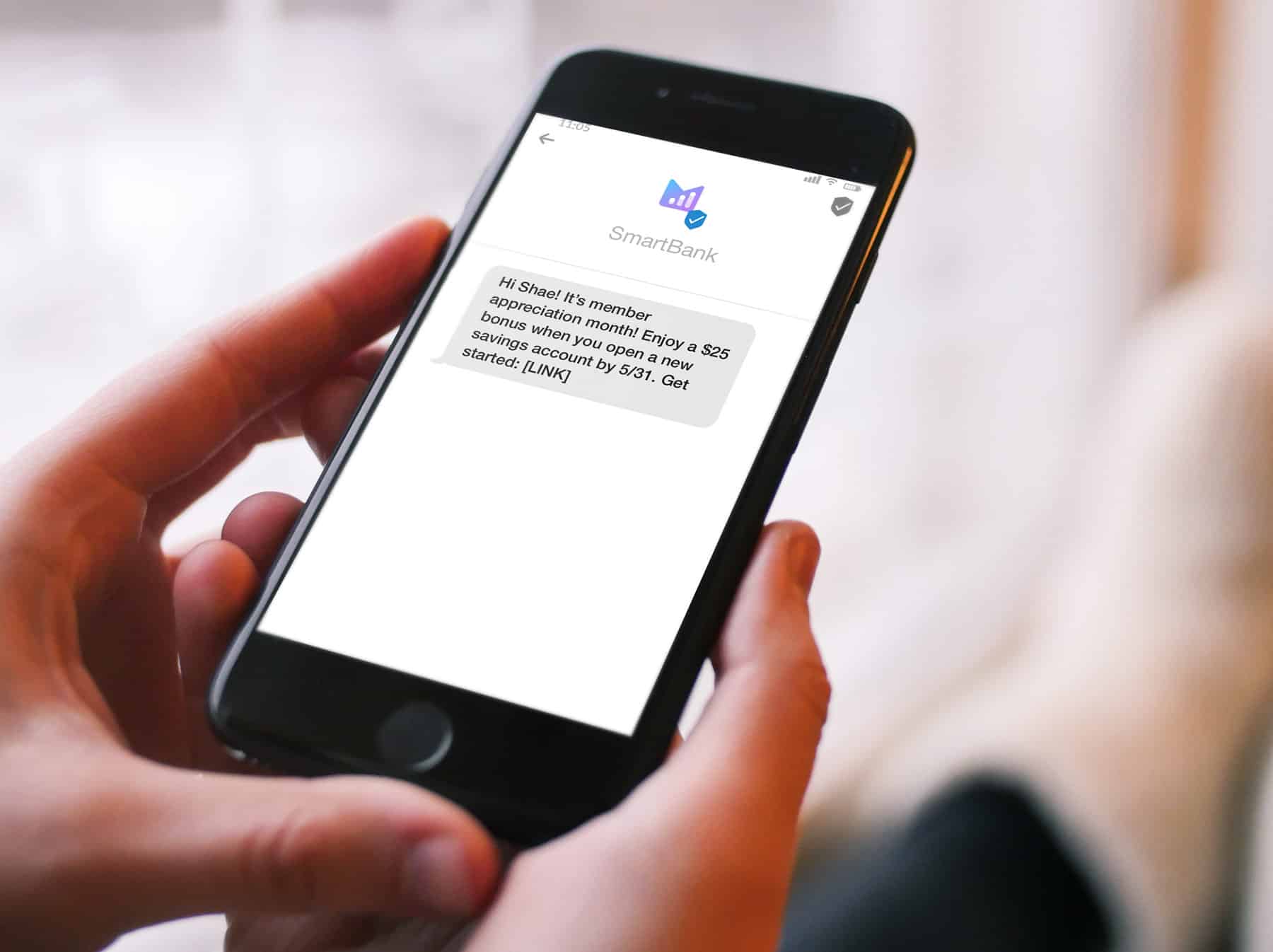
Just in case you need a quick refresher, short message service (SMS) marketing is a type of digital marketing in which brands send promotional text messages directly to a contact’s mobile device via a business SMS platform.
Brands often use text messages to promote products or services, events, and offers, as well as for more transactional purposes (such as order confirmations, shipping status updates, and appointment reminders). It’s a more immediate and conversational method of reaching audiences than most other popular marketing channels.
Key Differences Between Push Notifications and SMS
SMS and push notifications have several similarities. For example, both enable you to reach your audience on their mobile devices with a timely, personalized message. Also, like SMS, push notifications are a permission-based communication, so you’re required to obtain explicit consent before sending either type of message.
However, there are several differences between these two communication methods:
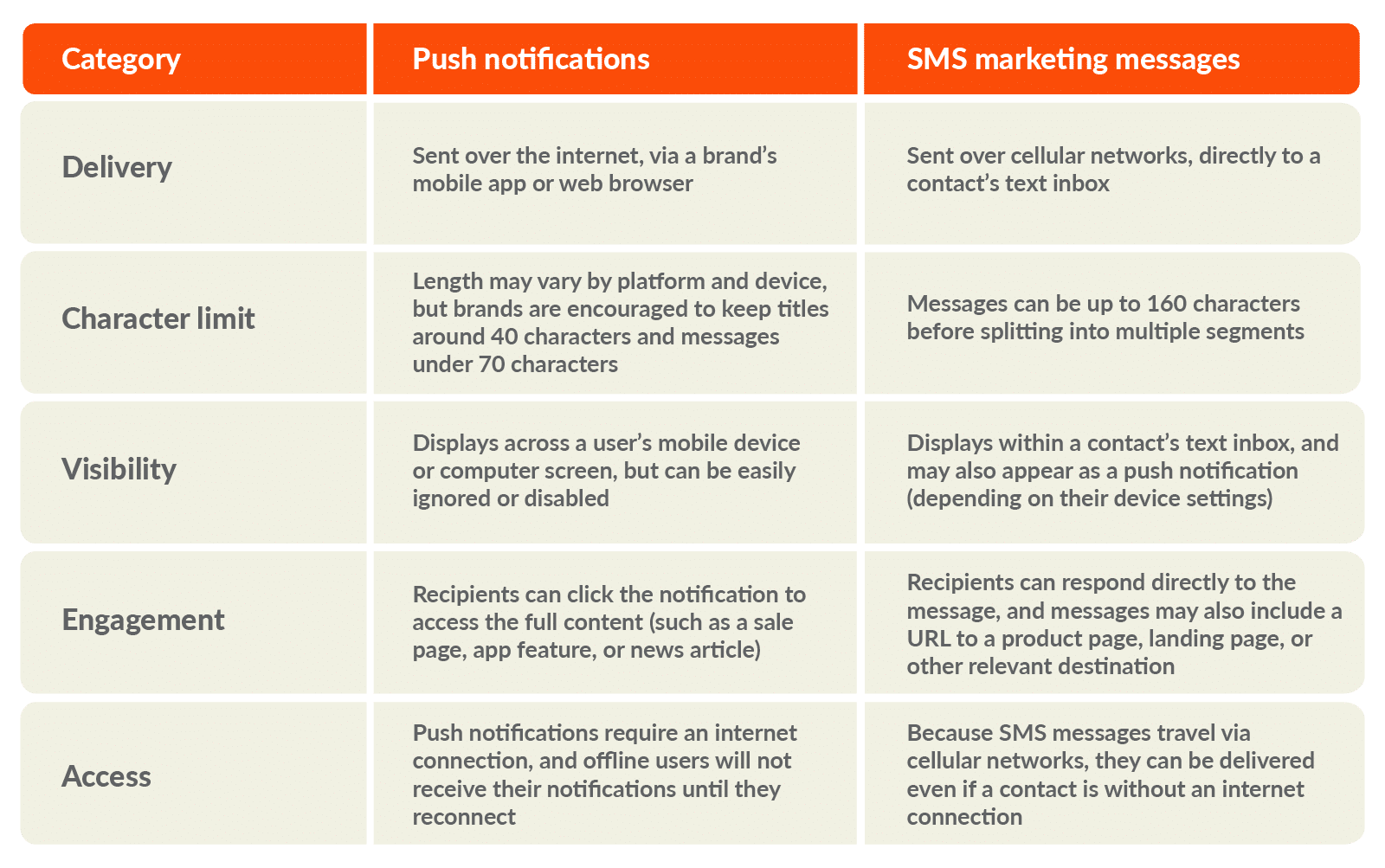
Benefits of Push Notifications
Here are a few reasons businesses choose to send push notifications:
-
Highly customizable
Depending on the solution you use, push notifications can be tailored to your users’ behaviors, location, or preferences. (For example, a sports venue could configure a push notification that directs to a digital ticket when an attendee is within a certain radius.)
-
Visually engaging
Notifications can include links, emojis, and even images, which can help capture recipients’ attention and drive them to engage further. (That said, whether rich media displays or not depends on the user’s operating system, browser, app, and device.)
-
Low cost
Cost is always a key consideration, including when you’re deciding whether to use push vs. text — and this is one place where push notifications have a clear advantage. While SMS messages involve per-message costs, push notifications are free to send. That said, you’ll still have to pay for a platform to manage your push sends.
Benefits of SMS
Here’s why a brand may opt to send SMS messages:
-
Reliable delivery
Because SMS messages don’t rely on apps or internet access, and can be delivered to nearly any recipient, regardless of their mobile carrier or device, they offer businesses a much larger reach. And, depending on which mass texting service you use, SMS texts can be sent and delivered in seconds.
-
Highly visible
Unlike a push, SMS messages never disappear (unless the recipient chooses to delete them). This means your text will remain in your contact’s inbox, marked as unread, until they engage. And given how often people check their text inboxes each day, there’s a good chance your recipient will read your SMS message shortly after delivery. In fact, one source shared that 90% of SMS marketing messages are opened in three minutes or less.
-
Feels personal
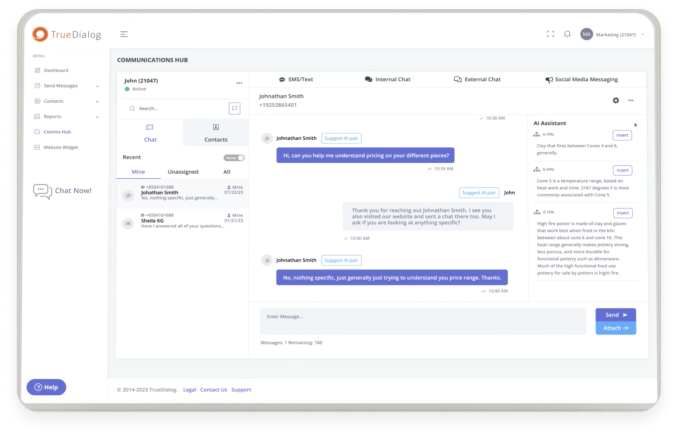
One of the greatest advantages of SMS messaging is that it’s a two-way form of communication. Not only can businesses engage customers directly, but recipients can also respond with questions or request support within the same thread and receive a reply in real-time. Because it feels more human, it can help cultivate stronger relationships and ongoing loyalty.

When to Use Push vs SMS
One of the leading questions marketers have when comparing push notifications vs. SMS (beyond, “What does ‘push messages’ mean?”) is when to use a push notification and when to send a text message. While both of these instant forms of communication can yield powerful results, the appropriate choice can vary depending on your use case and goal.
Here are a few examples to help you decide:
When to use a push notification
- To drive in-app activity or re-engage a less-active user
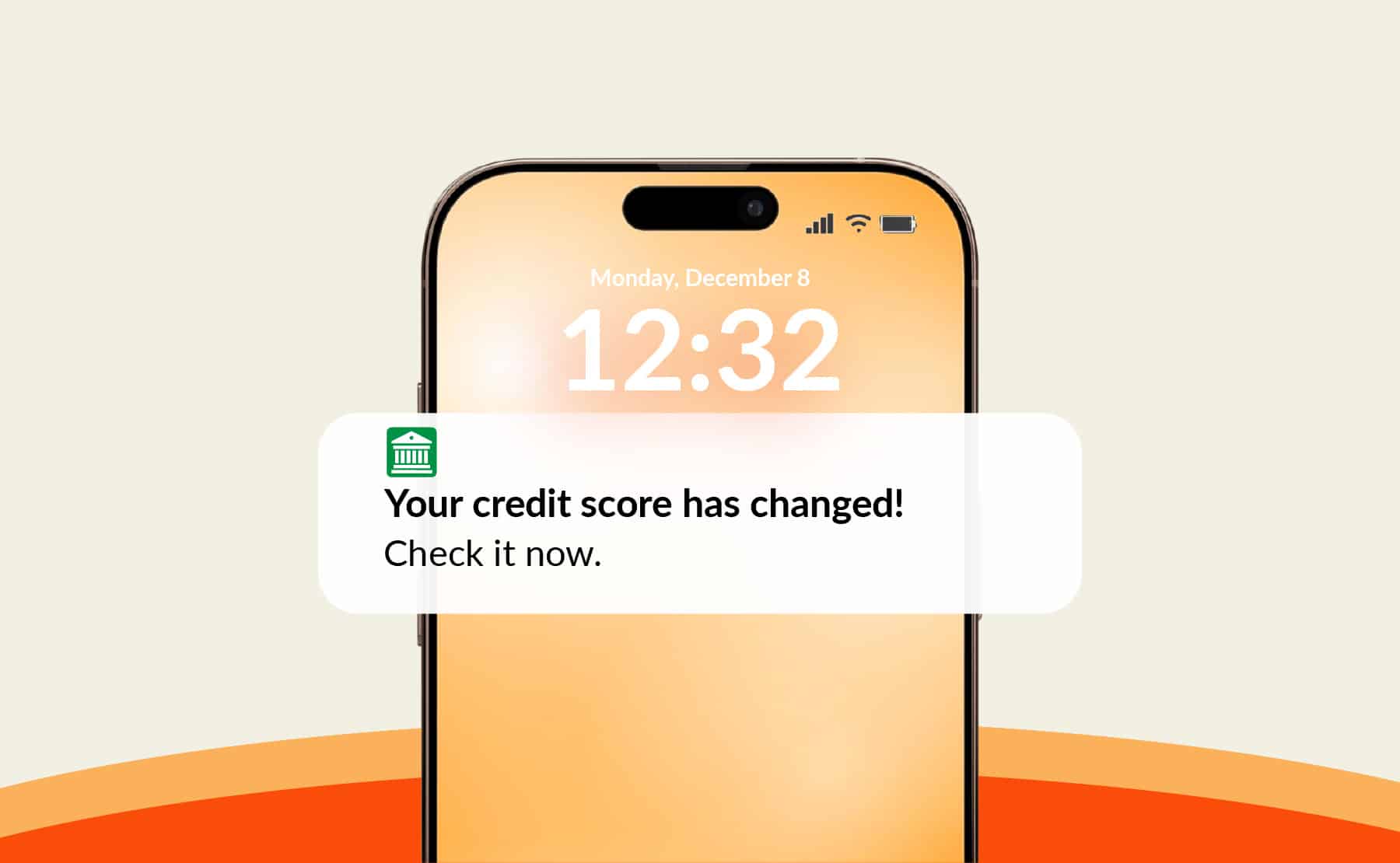
Example: Your credit score has changed! Check it now. - To notify app users about new features or updates
Example: Our new analytics dashboard is officially live! - To deliver personalized experiences based on behavioral or location-based triggers
Example: Open for tickets to tonight’s game.
When to send an SMS text
- To share time-sensitive information
Example: Hi Rosie! We look forward to seeing you at 3 p.m. today at our downtown office: 146 Elm St, Suite 400. Please check in at the front desk. See you then! - To engage in a two-way conversation
Example: Hi Sasha! We noticed you’ve been using our new AI assistant. Based on this feature, would you recommend our platform to a friend? Please respond YES or NO - To stay connected during critical moments
Example: Due to the winter storm, all on-campus classes are canceled today. Stay safe!
Combining Push and SMS for Maximum Impact
Now that you have a better idea of when to use SMS vs. push notification sends, let’s dive into some best practices for combining these communications to boost engagement even further.
-
Start with a push and follow up with a text
Sometimes layering your messages is the best way to ensure your contacts take a specific action. For example, a sports team might send a push notification to inform VIP fans that season passes are on sale, and then follow up with a text the next day for anyone who hasn’t completed a purchase.
-
Automate workflows to include both
Integrate your SMS platform with your CRM and marketing automation tools to automate your workflows. This will save you and your team countless hours of work and help ensure you reach as much of your audience as possible.
For example, a university might schedule a text campaign reminding students to take specific actions before registration day (such as scheduling an advising appointment or paying their tuition balance). If students complete those steps, they’ll then receive a push notification to inform them when registration has officially opened, which will redirect them to the registration portal.
However, students who fail to complete the steps before registration day might receive another text with the items they still need to finish.
As a leading texting software for universities, TrueDialog connects with top CRMs and also offers a robust SMS API for more bespoke integrations.
-
Meet compliance requirements with transparent opt-in and opt-out processes
Whether you’re sending an SMS, push notification, or both, it’s crucial that you obtain explicit, verifiable permission and offer easy options for opting out. Not only is this a good business practice, but it’s also required by industry regulations and privacy laws.Additionally, keep in mind that consent for one channel doesn’t automatically apply to the other. Each channel has its own opt-in requirements.
Choosing the Right Channel for Your Business
Today’s consumers are inundated with messages, alerts, notifications, and countless digital distractions, and it can feel impossible to cut through the noise.
However, by taking time to understand the nuances of push notifications vs. SMS, knowing when to use each communication method (or combine them), and leveraging the right platform, you’ll have an easier time capturing your audience’s attention and keeping them engaged.