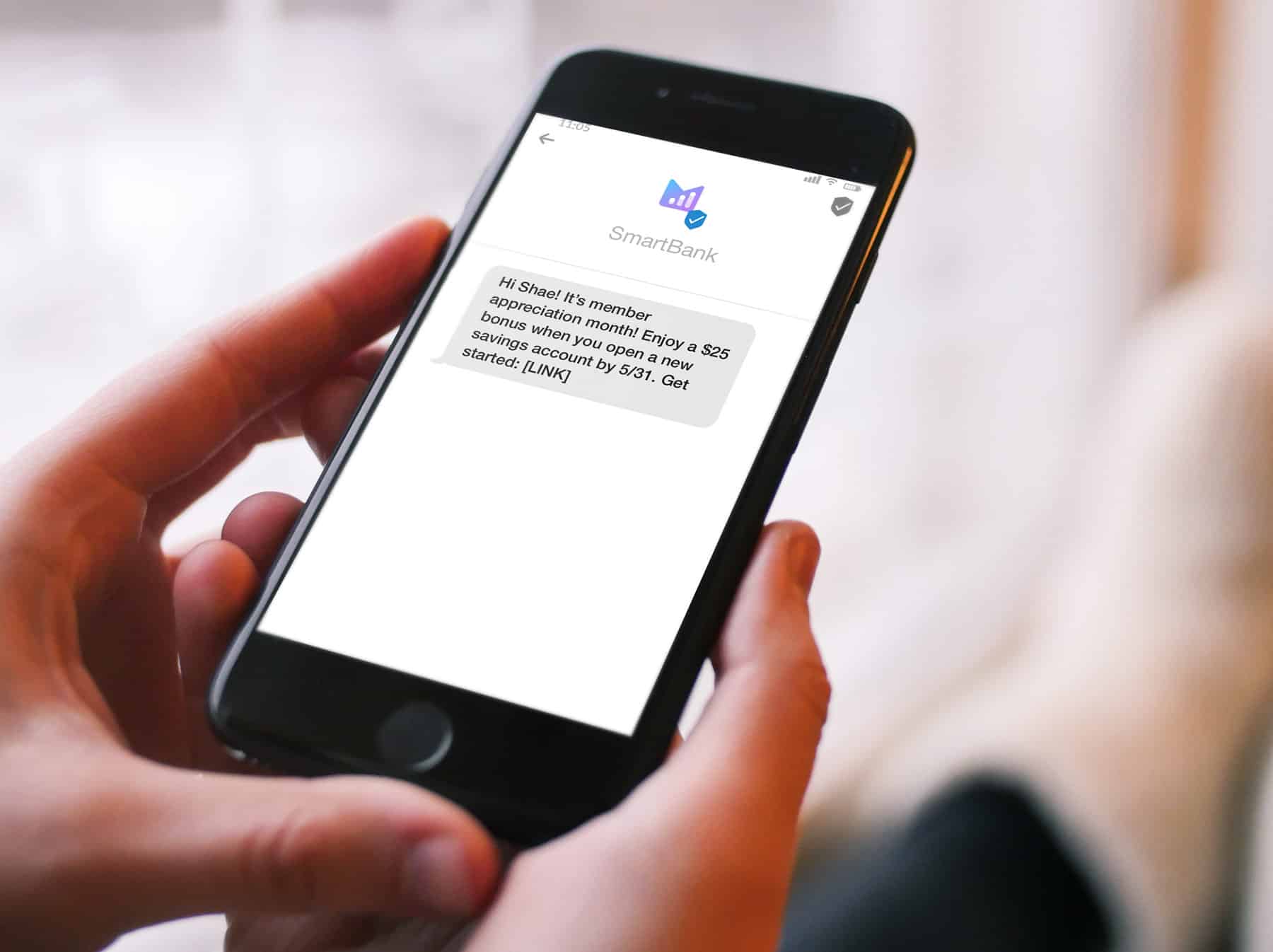


For many of us, the term “cold calling” conjures memories of disruptive and uncomfortable conversations with overzealous salespeople. Or perhaps at some point in your career, you’ve been the one frantically dialing potential leads, hoping to reach an ambitious quota. Whatever the case, it’s not exactly something that elicits warm and fuzzy emotions.
However, what about sending a cold text? Given how successful SMS marketing can be for enterprise organizations, you might feel tempted to fire off a round of messages and see what sticks.
The truth is that cold texting can land your brand in hot water. Here’s everything you need to know to avoid breaking the law with your SMS program, plus tips on responsible outreach and relationship building via text.
What Is Cold Texting?
Cold texting refers to the practice of messaging contacts who have never engaged with your brand or given consent to receive SMS messages from your organization. Much like cold calling (and cold emailing), companies engage in cold texting in an effort to quickly drum up new business, promote an offer, and, ultimately, boost sales. And since SMS messaging is associated with sky-high open rates and lofty engagement, it can seem like a great method for growing your brand.
The problem is that most people consider their text inbox to be a more personal space, and receiving a text from a brand they don’t know can feel intrusive and spammy. Sending cold text messages can leave prospective leads with a bad first impression of your organization and drive them to block your business before you ever have a chance to engage in a meaningful conversation.
Is Cold Texting Legal?
There’s no denying that sending a text to an unknown contact is in poor form. But is cold texting illegal?
The definitive answer is yes, cold texting is a clear violation of industry regulations.
In the U.S., mobile carriers and regulators have gone to great lengths to protect consumers from spam and identity theft scams. The Telephone Consumer Protection Act (TCPA) and the Cellular Telecommunications Industry Association (CTIA) both prohibit businesses from sending messages to recipients who haven’t given their explicit consent. And many international regulatory bodies have enacted similar laws.
Risks and Challenges of Cold Texting
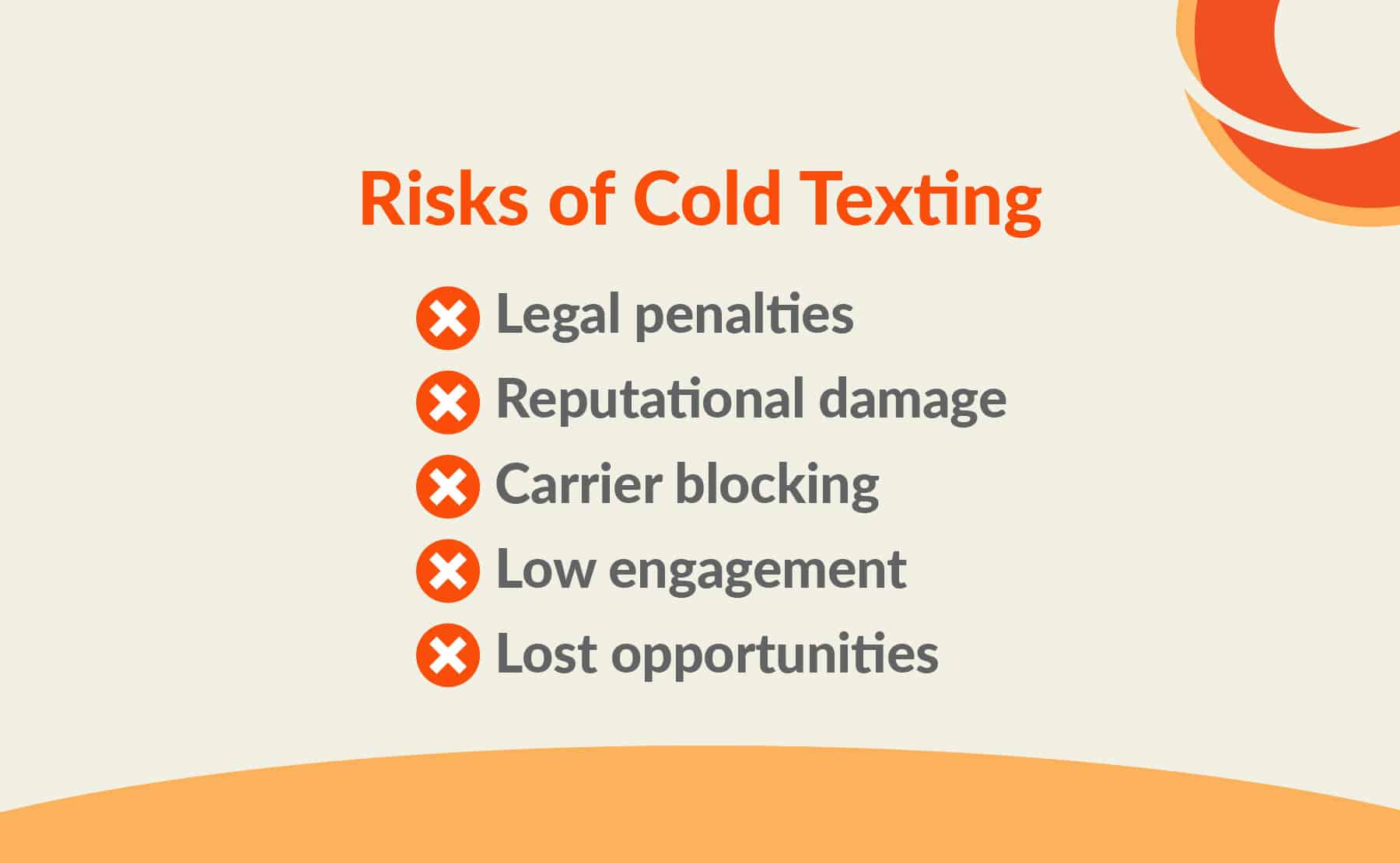
Shirking industry regulations to send a cold text (meaning an unsolicited message) won’t just earn brands a slap on the wrist. Before messaging someone without consent, consider what’s at stake:
-
Legal penalties
Regulatory violations can be extremely expensive. For example, the penalty for violating the TCPA can reach as much as $1,500 per message — not to mention any costs associated with potential lawsuits.
-
Reputational damage
Receiving an unwanted, unexpected text can be jarring — which isn’t a great first experience for a prospective lead to have with your brand. It’s especially unwelcome in industries such as higher education, finance, and tech, where buyers value their privacy above much else.
-
Carrier blocking
Wireless carriers continually monitor messaging traffic for signs of spam, and unsolicited messages are a major red flag. Repeat offenders can even lose their messaging privileges entirely — which would make it nearly impossible to reach your audience via text ever again.
-
Low engagement
Enterprise SMS campaigns typically generate extremely high open rates, especially when compared to email. But people are much less likely to engage with a message they never asked for, from a number they don’t know. So, in addition to risking legal action, there’s a good chance cold texting efforts won’t even achieve your goal.
-
Lost opportunities
As every marketing leader knows, it’s pretty difficult to rebound from a bad first impression. Once a prospective lead sees your organization in a negative light, it will be incredibly challenging (if not impossible) to build a genuine relationship later.
In other words, while cold SMS marketing may seem like an easy way to build your audience and reach your revenue targets, it’s unlikely to drive the results you want. And, given the steep legal and reputational costs, it’s simply not worth the risk.
Cold Text vs. Opt-In SMS Marketing
While cold texting and opt-in SMS marketing leverage the same channel, that’s about where their similarities end.
While cold texting is invasive and targets people who have never subscribed to a brand’s messages (and thus never expected to hear from them), opt-in SMS marketing is permission-based. That means contacts have explicitly agreed to receive messages from your brand (typically by completing an opt-in form or participating in a keyword campaign), and they both want and expect to hear from you.
While cold texting may get your message into a prospective lead’s text inbox (assuming it doesn’t hit a carrier’s spam filter), legitimate SMS marketing cultivates long-term customer relationships, loyalty, and trust.
Best Practices for Responsible Outreach
You now know that cold texts violate multiple regulations, but what about using mass texting services to reach hundreds or thousands of people simultaneously? Is text blasting legal, or is that also frowned upon?
The good news is that, as long as you follow industry regulations and stick to a few best practices, mass texting is both legal and highly effective. Here are a few ways to maximize your success:
-
Use clear consent and double opt-in
You should never assume someone has consented to receiving texts from your brand unless you have documented evidence. Always make sure your contacts know exactly what they’re signing up for, the types of messages you’ll send, how often they can expect to hear from your brand, and how to opt out should they change their minds.
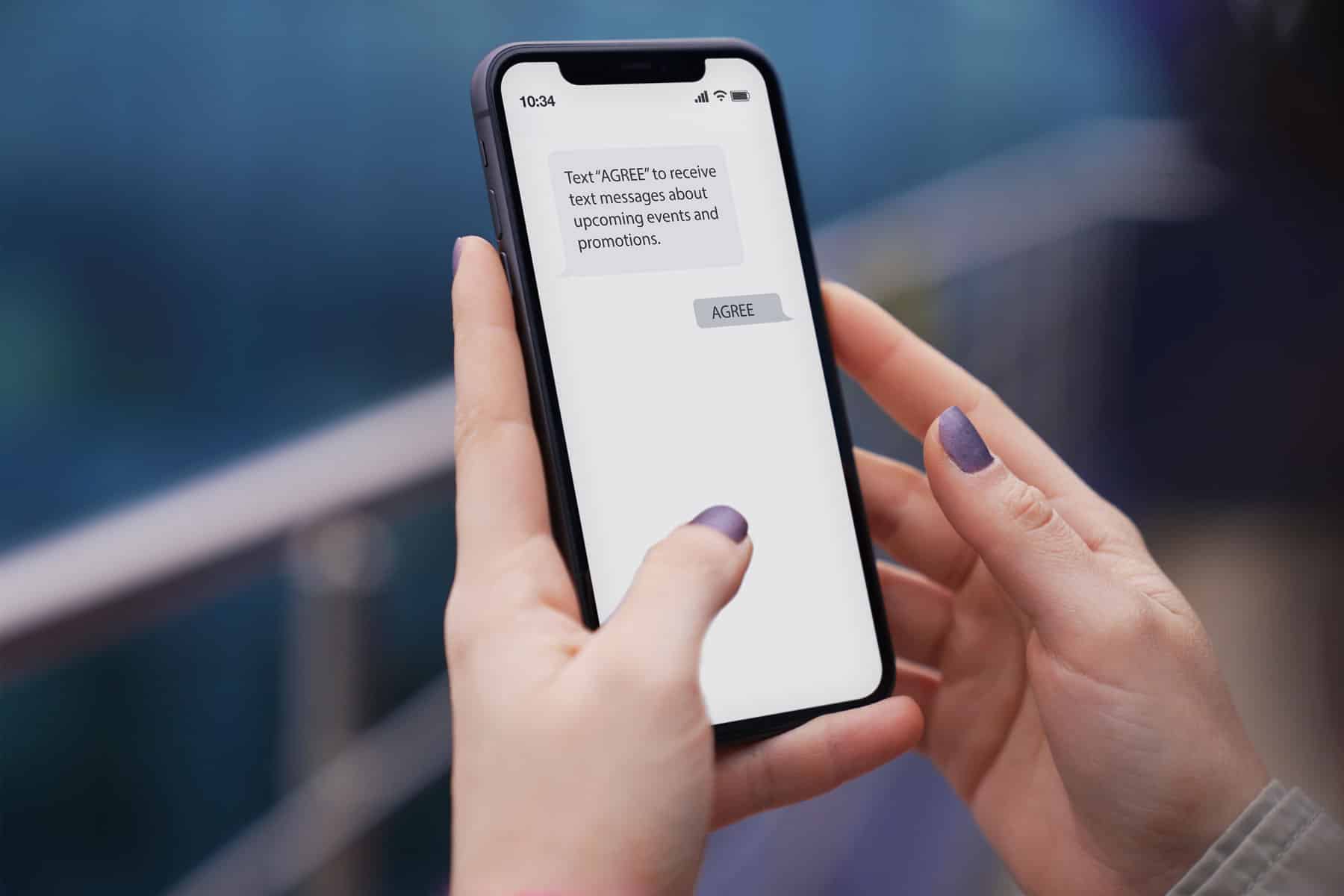
One way to ensure you’re in the clear is by using a double opt-in process. In other words, even after they provide their number, send a confirmation text asking them to respond with a keyword (like “YES” or “AGREE”) to finalize their subscription. This way, you’ll have another record of their consent, and you can ensure the contact didn’t mistype their number or sign up on someone else’s behalf.
-
Segment audiences and personalized messages
Personalization is essential in all types of marketing, but particularly in SMS, where people want to feel like they’re engaging in real, meaningful conversations. In fact, according to data from McKinsey, 71% of consumers expect companies to provide personalized experiences, and 76% are frustrated when they don’t.
To meet this expectation, it’s a good idea to segment your audience by relevant criteria (such as industry, interest, or key demographics) and then leverage your SMS platform to send highly personalized messages. For example, in addition to using a contact’s first name, you might reference a recent purchase or interaction. Alternatively, instead of a generic appointment reminder, you could include the appointment date, time, and the name of the person they’ll be meeting.
-
Consider timing and etiquette
Even if you’ve received a contact’s permission to text them, your brand doesn’t have carte blanche to bombard them with messages at all hours of the day and night. Aim to keep your marketing messages to just a handful of texts per week, and never send promotional messages during mandated quiet hours. (Quiet hours are usually from 8 p.m. to 9 a.m., though some states have stricter rules.)
By keeping messages brief and respectful, and not communicating too frequently, your audience is more likely to see your messages as valuable and meaningful rather than overwhelming or disruptive.
How TrueDialog Supports Compliance-Friendly SMS Outreach
The most effective, efficient, and compliant way to reach your audience via text is by using an enterprise SMS platform. Here’s how TrueDialog supports your SMS program:
-
Built-in opt-in/opt-out management tools
As we’ve covered, it’s absolutely vital that you ensure every single contact you message has given you explicit permission to text them — and that you’ve recorded their opt-in, just in case it’s ever called into question. Additionally, industry regulations require that, if a contact opts out of your messages, you must cease all text communication immediately.
Fortunately, TrueDialog makes this easy by supporting both single and double opt-in processes and maintains clear logs of subscriptions and opt-outs to help you stay compliant and protect your brand.
-
Centralized communication features for large teams
When you’re operating with a large team and managing thousands (or millions) of contacts, it can be easy for things to slip through the cracks. However, missed customer responses, lost support tickets, and other communication errors can compromise customer experiences and deteriorate your audience’s trust.
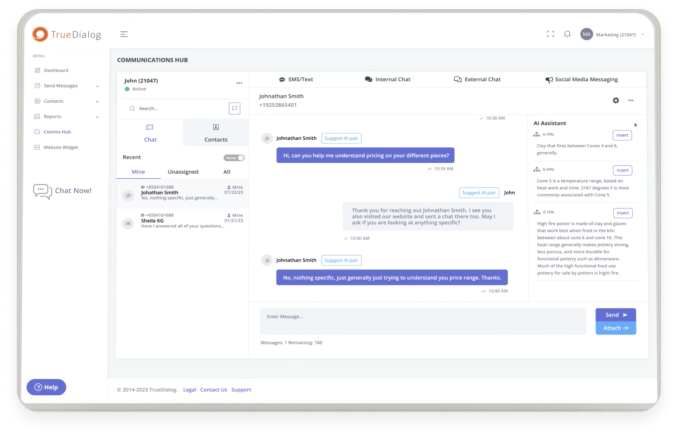
Because TrueDialog is specifically designed for enterprise-sized organizations, the platform includes several features to help you stay on top of conversations and ensure no one is left hanging. For example, real-time alerts (delivered in-app, through email, and via push notifications) ensure you can respond while your contacts are actively engaged. With your own customized library of AI-generated responses, you can keep two-way communication flowing and send personalized, brand-aligned messages in just a few clicks.
TrueDialog customers also have access to an inbox auto-attendant that automatically replies with pre-configured responses on your team’s behalf, messaging forwarding that allows users to route inbound texts to the most qualified team member to respond, and message tagging that makes it easy to find conversations and pick up where someone else left off.
-
Analytics to measure performance
Driving success with SMS means carefully measuring campaign performance and using those insights to inform future sends. Without knowing what works (and what doesn’t), it’s challenging to optimize your results or increase engagement.
TrueDialog empowers teams with real-time reporting and analytics so they can measure key metrics, including open and delivery rates, link clicks, and opt-outs. The dashboard allows you to view all campaign activity at once and drill down into individual efforts to better understand what’s driving results — plus, you can generate custom reports at any time.
Why Businesses Should Avoid Cold Texting
There’s no such thing as a “safe” cold text strategy. No matter which way you slice it, sending unsolicited text messages is bad for business and can cause irreparable damage to your brand. Instead of risking your success on cold texting, use a platform like TrueDialog to help you build an audience the right way and send campaigns that genuinely foster relationships and sustainable engagement.
Ready to see compliance-friendly texting in action? Request a demo.