

RCS is definitely having a moment right now. And if you feel like it came out of nowhere, you’re not alone. But what, exactly, is making RCS more relevant and popular? And what opportunities can RCS offer organizations like yours?
We assembled our team of RCS experts to answer these questions (and more) for a three-part masterclass on the fundamentals of RCS (Rich Communication Services) and why it’s poised to reshape how businesses connect with audiences.
If you missed the first episode, here are a few key highlights and lessons to help you get ahead of the competition:
1. Yes, RCS is hitting an inflection point in North America
RCS isn’t a new technology. While it’s been on the market globally for years, the big shift for the U.S. and Canada is the convergence of Apple support, carrier enablement, and business readiness.
It started on the device level in 2024, when Apple agreed to support Google’s RCS technology. This was a big deal due to the device wars between iPhones and Android phones. With Apple and Google aligned, and major carriers supporting the rollout, RCS is now becoming broadly viable for businesses.
“All of us experienced bumps in the road in this process,” explains product marketing expert Sara Haynes. “The carriers had to figure out how to support it, how to approve it, and what that process was going to look like. This is a seismic change for the industry in North America.”
2. RCS is like an HTML email for your texting inbox
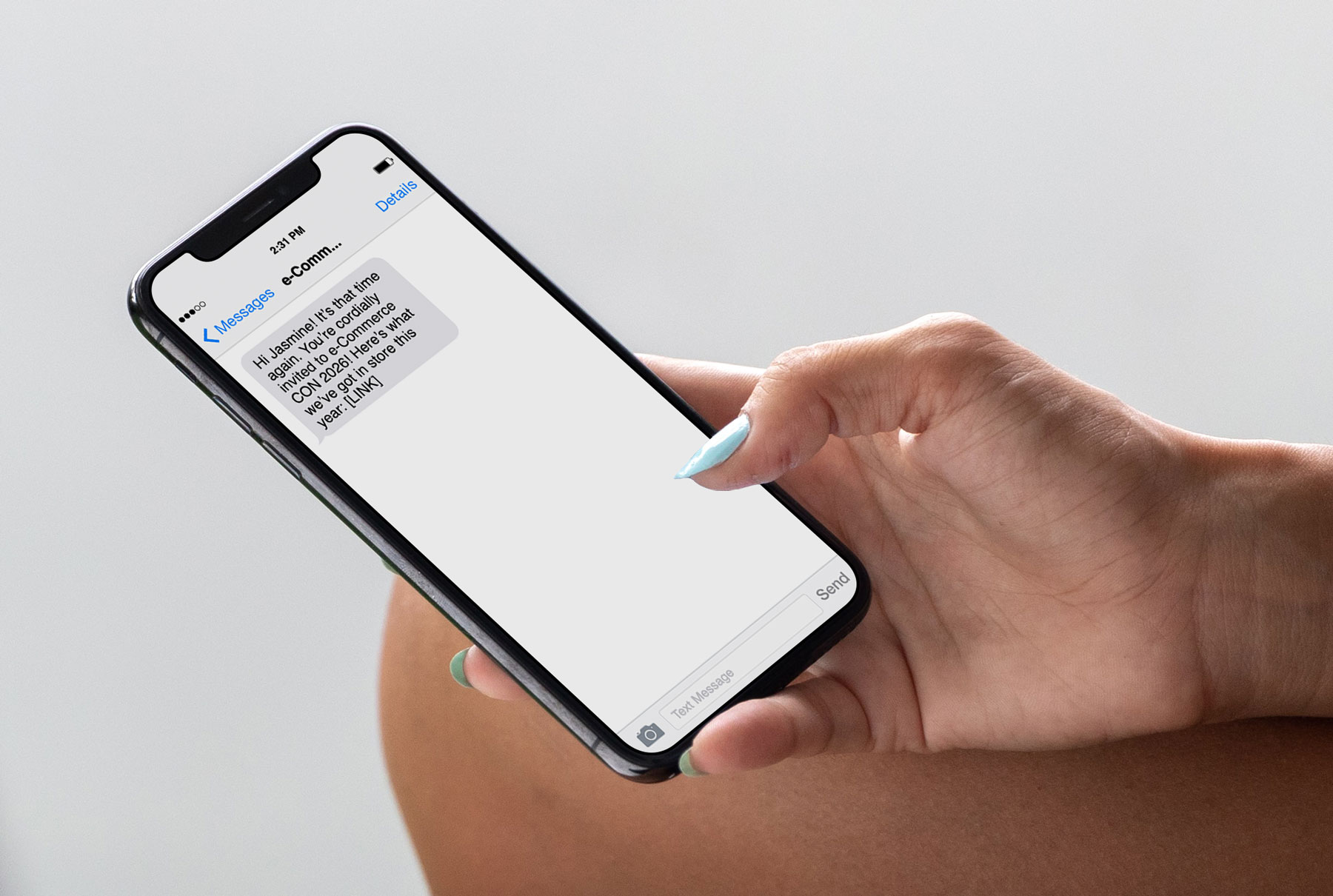
If you lived through the shift from plain-text to HTML emails, you understand the enhanced experience that elements like color, style, images, and multimedia offer users. In many ways, SMS is like plain-text emails. Comprised mainly of text and links, these 160-character messages are limited in what they offer to recipients.
RCS, on the other hand, is more like an HTML email. And the benefits they offer to organizations are immense.
“Think about when marketers got hold of HTML emails, and the creativity and the explosion of options that came into play,” says TrueDialog CMO and CRO Amanda McGuckin Hager. “Businesses were able to send HTML emails with branding, colors, [rich] content, and modules. Just think about the HTML emails that you get today. RCS is very much like that, so you can see why we are so excited about introducing RCS into the market.”
3. Verified branding and trust are essential
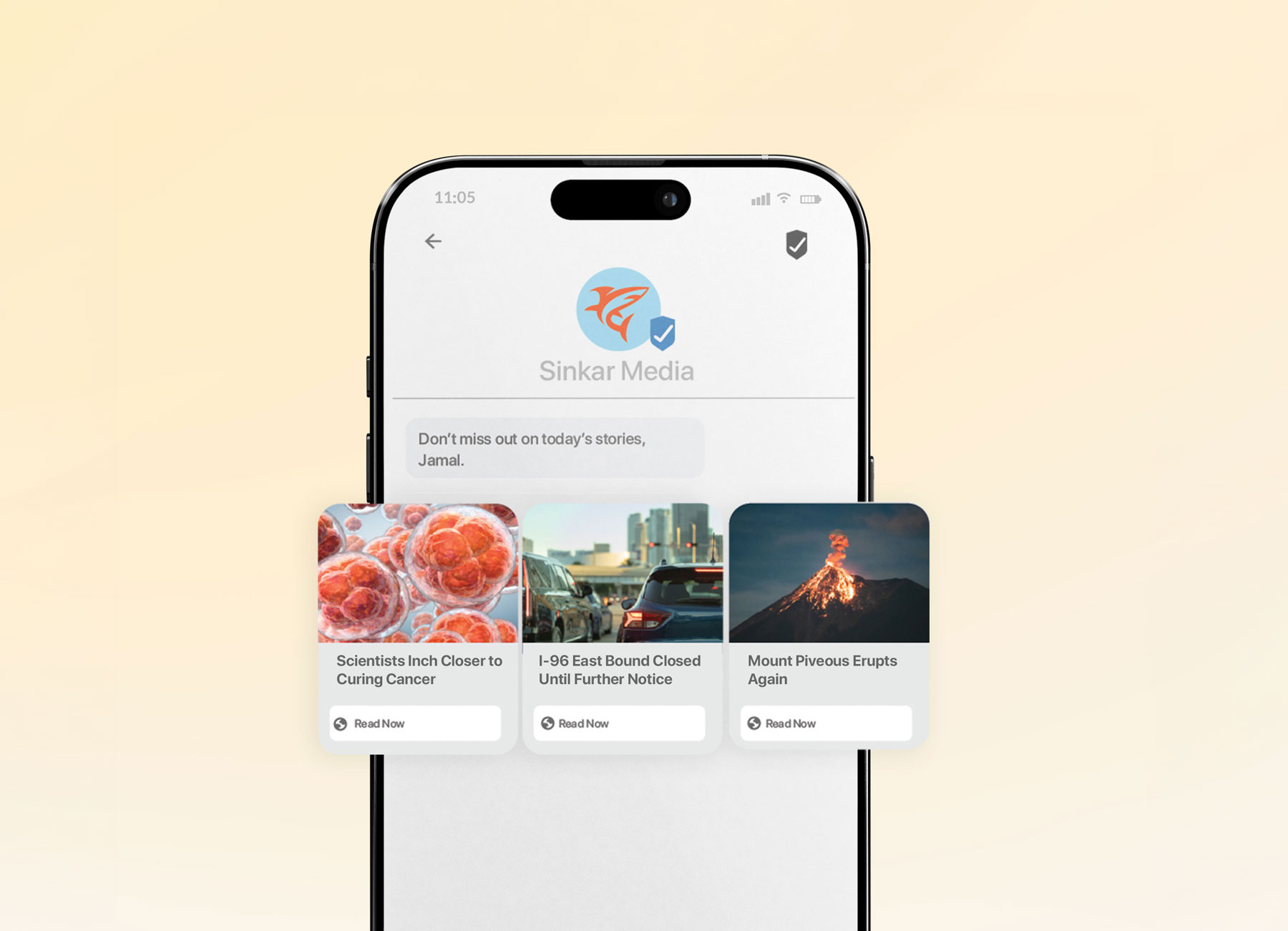
One of the biggest differences between SMS and RCS is that brands can send their RCS messages from a verified brand profile. This means your recipients will see brand identity elements and a verification checkmark. As you can imagine, this is a huge advantage in a world where spam and impersonation are constant threats.
“When a customer or prospect receives an RCS message, they know it’s you. It can’t be anybody else,” explains TrueDialog VP Customer Success, Becky Banasik. “That’s something that neither email nor SMS could do as well.”
For this reason, brands should prioritize verification early to provide a better customer experience and leverage a clear competitive advantage. Using a verified brand profile is particularly important for industries like healthcare and financial services, where trust and fraud prevention are especially critical.
4. Rich media, buttons, and interactivity deliver better experiences (and better analytics)
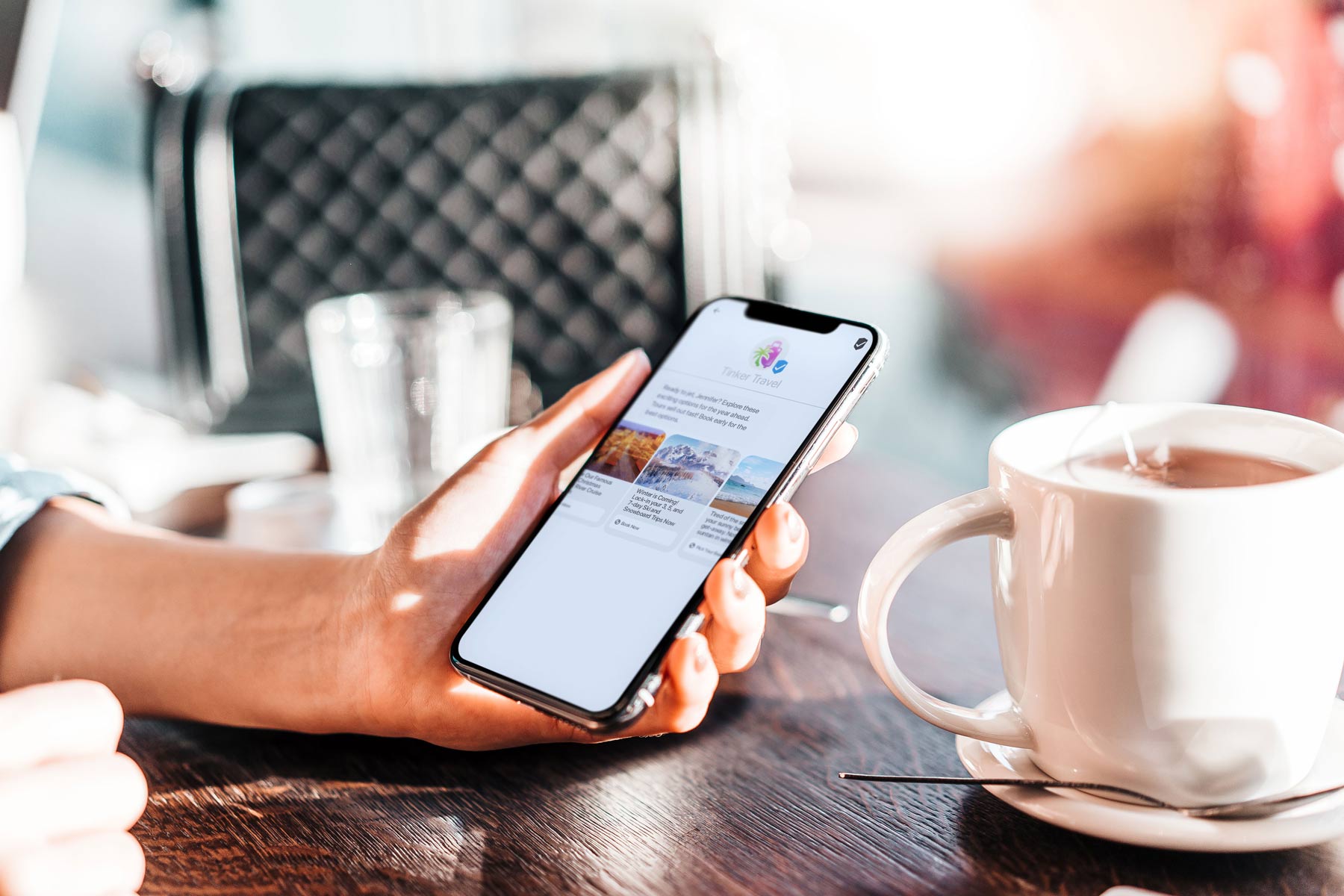
RCS expands what you can send and what you can learn from the results. With higher-resolution media, carousels, CTA buttons, and a significantly higher character limit, this messaging protocol creates more interactive and immersive experiences. It also enables an “email-like” measurement model, allowing teams to track read receipts, clicks, and other engagement metrics so they can move beyond guessing and toward real optimization.
“With RCS, you can actually see whether your audience read your message, clicked buttons, or responded,” Sara says. “It allows for a deeper understanding of what is effective for your customer and your campaign.”
5. RCS doesn’t replace SMS
It’s natural to wonder what happens if recipients’ devices or carriers don’t yet support RCS. (And if your strategy were solely based on RCS, this would be a serious issue.)
Fortunately, there’s an easy solution. By using SMS as a fallback, you can ensure that customers who can’t receive RCS still get your message. This hybrid approach allows you to start building RCS experiences without sacrificing coverage.
6. Agents and strategy: RCS pushes teams to plan smarter
RCS introduces an “agent” concept that’s essentially a combination of two things: your verified brand identity and messaging intent (marketing, support, sales, etc.). For some organizations, that may mean creating multiple agents over time, but the important thing is that RCS encourages intentional planning from the onset.
Additionally, it’s important to note that registration and approval can take time (often 8–10 weeks), so even if your first campaign won’t launch immediately, now is the time to start planning.
Get all the details and insights from Episode 1
If you enjoyed these highlights, be sure to check out the full episode for even more practical guidance and expert tips. Access the on-demand episode now:
Ready to learn more?
If you are ready to jump in or have more questions, download our handy guide: The Ultimate Guide to RCS. You’ll feel like a pro on the subject in no time.