Events are an incredible tool for deepening your relationship with your audience, scaling your reach, and boosting brand equity. But first, you’ve got to get people in the door.
If you’ve ever been involved in promoting an event, you know it’s a pretty substantial undertaking that spans multiple disciplines and requires a lot of thoughtful outreach. Fortunately, once you have a thorough plan in place, it becomes significantly less daunting — and equips you with a blueprint for marketing future events.
To streamline the process, we’re sharing a step-by-step guide to creating your own marketing plan for an event, including several tried-and-true best practices to help you surpass your attendance goals.
What is an Event Marketing Plan?
An event marketing plan is a strategic roadmap that an organization develops to effectively promote an event. Usually, it outlines all the tactics and channels a team should leverage, from the moment they announce the event until they send the final post-event follow-up message.
In many cases, organizations associate this type of in-depth plan with large conferences or massive product launches, but an event promotion plan can also come in handy for smaller events, like webinars, mixers, and executive speaking engagements. And since even small events can involve several moving parts, carefully plotting each of your event marketing steps reduces the risk of anything falling through the cracks. Plus, having a referenceable strategy helps everyone align on goals and expectations, use consistent messaging, and stay on track.
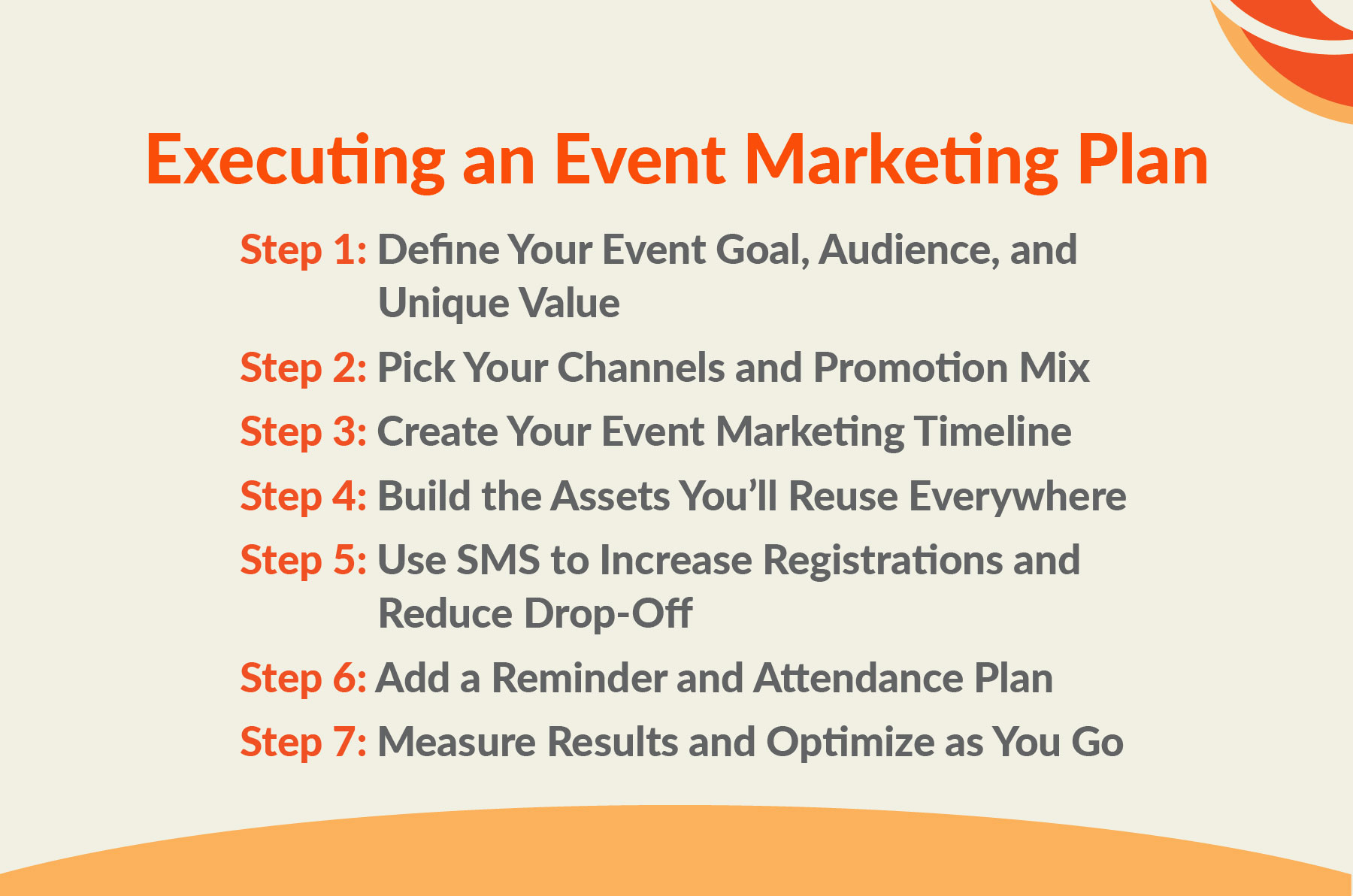
Step 1: Define Your Event Goal, Audience, and Unique Value
As soon as you sit down to begin planning how you’ll promote an event, you need to ask yourself three questions:
- What do we want to accomplish?
- Who do we want to reach?
- Why should our audience care?
And every decision you make from this point forward will hinge on your answers.
Set a goal
It’s important you get clear about your objective(s) and set a realistic, measurable goal. For example, if you earned 1000 registrations and 600 attendees for last year’s conference, perhaps you aim for 1200 registrations and 720 attendees this year. Or, maybe you aim for a similar number of registrants, but set a goal to boost the percentage of attendees. Whatever the case, make sure to be as specific as possible and, if possible, use historical data to back up your rationale.
Identify your audience
High attendance doesn’t matter much if the people you bring in the door aren’t the right fit. So, before you start canvassing your entire database with invitations, determine who you want to see most. For example, if your organization develops fintech software, you’d likely want to see finance and accounting professionals with decision-making power in your audience, rather than entry-level marketers or your competitor’s sales team. The tighter your target, the more relevant your messaging can be.
Articulate the event’s value
While the allure of free lunch and a day outside the office can be compelling, those perks alone aren’t always enough to drive your ideal attendee to show up. Before you craft your messaging, take a moment to think about what’s in it for them and how you can make that value abundantly clear. For example, maybe you’re offering exclusive access to a flashy new product, hands-on training with industry experts, or a well-curated lineup of speakers that they won’t find anywhere else.
Step 2: Pick Your Channels and Promotion Mix
Once you’ve solidified who you’re reaching and what you’re offering them, the next step is to decide how you’ll get in front of your audience. When it comes to event marketing and promotion, it’s always best to use a combination of channels to maximize your reach. Additionally, you’ll want to leverage different channels at different moments in the cycle and for different purposes. For example, you might use social media to build awareness and help generate a buzz, but leverage SMS marketing for direct communication at every phase.
Here are a few channels we recommend including:
Texting
With open rates over 98%, SMS is one of the most powerful tools in your event promotion toolkit and an integral part of any modern marketing strategy. It makes it easy to send invitations, early announcements, and agendas ahead of the event, provide reminders and day-of updates during the event, and deliver personalized follow-ups afterward.
Additionally, with RCS messaging, you can embed an RSVP button linking to your registration page, a map for directions, and a carousel detailing each speaker or session.
Email has long been a staple of event marketing, especially for sending invites, event details, and final nudges to encourage attendance (such as ticket discounts and keynote speaker announcements). While open rates are significantly lower than with texting, it’s still an important channel to include in your mix. Just be sure to use a captivating headline to cut through inbox clutter.
Website
Your website should serve as the hub for event details, registration, and SEO-driven discovery. Consider adding banners and CTAs throughout your site that lead to an event landing page, and be sure to update information as things evolve. (For example, this is where you’ll want to share a detailed agenda with descriptions for each session.)
Social media
Social media platforms are great for building awareness, reaching new people, and engaging attendees in real time. Just keep in mind that organic reach can be limiting, and you may need to invest in boosted posts to reach a broader audience.
Paid media
Speaking of boosted posts, it’s always wise to create a budget for paid media promotions, such as sponsored content, ads, and co-marketing with sponsors or major speakers.
Step 3: Create Your Event Marketing Timeline
Every webinar, trade show, product launch, or conference marketing plan needs a detailed timeline with clearly defined milestones, deadlines, and responsibilities. In most cases, organizations split these timelines into three phases:
Pre-event marketing
This is arguably the most important stage of the marketing plan for an event because you have to consistently and clearly communicate the value of your event enough to engage your audience, drive them to register, and keep them excited enough to actually attend. This is where you’ll want to spend the majority of your time and effort.
Day-of communications
Even after you’ve gotten people in the door, you still need to keep connecting with your audience to make sure they’re aware of various activities and programming, last-minute schedule changes, and logistical updates. Additionally, sending a well-timed message, such as a friendly text, can help maintain momentum and keep your audience energized.
Post-event wrap-up
It’s always a good idea to thank your audience for attending and leverage those high-engagement moments at the end of your event to promote relevant product offerings and other opportunities to connect with your team. This is also an opportune time to send short surveys to gauge attendees’ feelings about the event and gather their feedback on how you can provide more value in the future.
Step 4: Build the Assets You’ll Reuse Everywhere
When you’re putting together your event marketing plan outline, it’s easy to feel overwhelmed. How can you possibly create enough content for every channel and communication effort?
The good news is, you don’t have to. Instead, create a core set of assets that you can repurpose and adapt to each touchpoint or, in some cases, redirect to. This set of assets should include:
- A core message and tagline
- A dedicated event landing page
- Email and SMS templates for pre, mid, and post-event promotion
- Visual assets (such as event graphics, banners, and speaker headshots)
- Event FAQs
Step 5: Use SMS to Increase Registrations and Reduce Drop-Off
While event marketing is undoubtedly a multi-channel effort, there’s one channel that stands out for its value in promoting events: text messaging. Not only does it typically have the highest open rate, but it’s also the best way to reach your audience on the go and deliver timely information fast. Plus, with an automated bulk texting platform at your fingertips, you can easily schedule all of your texts ahead of time.
Here are a few of the most powerful ways to use SMS (and RCS) messaging during events:
Invites and announcements
Sending a personalized invite via text is an excellent way to make sure your contacts know you value their attendance.
Example:
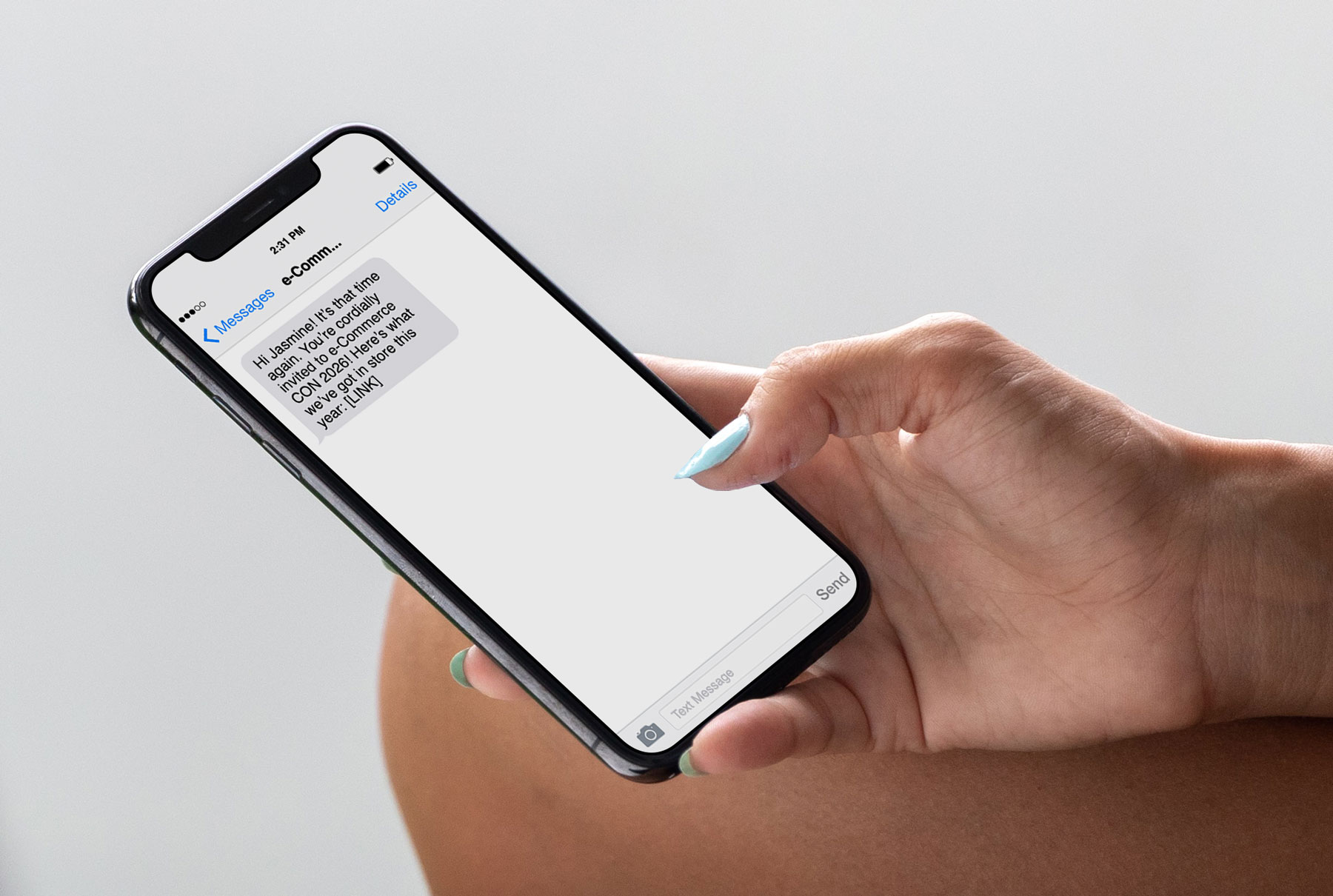
Hi Jasmine! It’s that time again. You’re cordially invited to e-Commerce CON 2026! Here’s what we’ve got in store this year: [LINK]
Reminders
Reminders can be useful at any point, including the day of your event. For example, a well-timed nudge can go a long way toward boosting registration numbers, while a “your session is starting soon” alert during the event can help keep attendees from missing the moments that matter most to them.
Example:
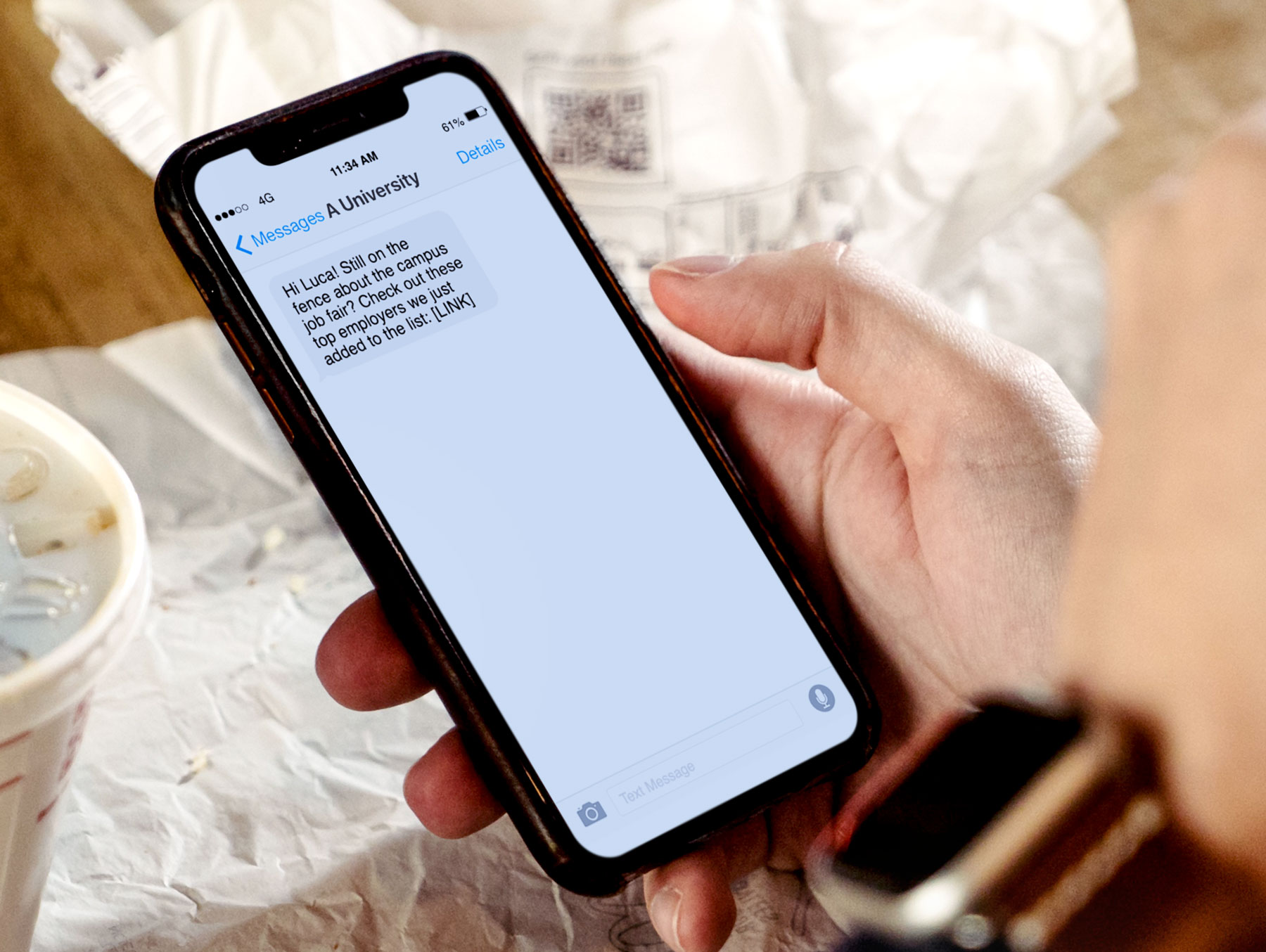
Hi Luca! Still on the fence about the campus job fair? Check out these top employers we just added to the list: [LINK]
Day-of logistics and updates
Texting is great for sharing logistical details, like directions and parking info. Additionally, SMS messages are extremely useful for delivering critical information to your audience in seconds, which is especially helpful when you have an unexpected change.
Example:
Hi Muhammed! Heads up: Your 2:45 pm session “How Local Lenders Can Use AI” has moved to Ballroom H. See you there!
Post-event follow-ups
The event may be over, but the conversation doesn’t have to be. Always send a quick follow-up message to express your gratitude, promote future events, and ensure your attendees know how to connect directly with your team.
Example:
Thanks for joining us at New Nurses Networking Hour, Lena! Don’t forget to sign up for next month’s event: [LINK]
Step 6: Add a Reminder and Attendance Plan
Convincing your audience to register for the event is only half the battle — the other half is getting them to show up. After all, while people may sign up for an event with the best of intentions, life gets busy, and there’s always a chance they might forget (or skip your event in favor of another obligation). That’s why it’s helpful to have a plan for boosting attendance.
Ideally, your attendance plan will include:
- A confirmation (sent via text and email) with basic information about the event, such as the date, time, and location
- A one-week reminder to help build excitement and re-engage anyone who may have forgotten about the event or lost enthusiasm
- A 24-hour alert to build momentum ahead of the big day and provide any “know before you go” information (such as parking details or badge pick-up instructions)
- A day-of nudge that gives registrants a final push and ensures they have all the guidance they need to show up on time
Step 7: Measure Results and Optimize as You Go
Unless you track results, creating a marketing plan for an event is like building a glorified to-do list. Tapping into performance data helps you better understand what’s working and when to course-correct. And after the event, these numbers can help you pinpoint what to optimize to drive even greater results at your next event.
Here are a few metrics we recommend to help you measure the effectiveness of your marketing event planning:
Registration metrics
How many people registered for your event, and what channels did your audience engage with before they registered? Registration attribution will give you a clear idea of which promotional efforts have the biggest impact, so you know where to invest more of your resources in the future.
Attendance numbers
Your attendance rate will give you valuable insight into how well your reminders and pre-event campaigns worked. You can calculate this metric using the following formula:
(Total number of attendees / Total number of registrants) X 100
For example, if 2000 people registered for your event and 1500 attended, your attendance rate is 75%.
Event marketing engagement by channel
Every channel comes with its own set of performance metrics that show how well it supported your event marketing goals. For example, with email, you can measure opens and clicks, and with paid ads, you can usually track impressions, clicks, cost per conversion, and return on ad spend.
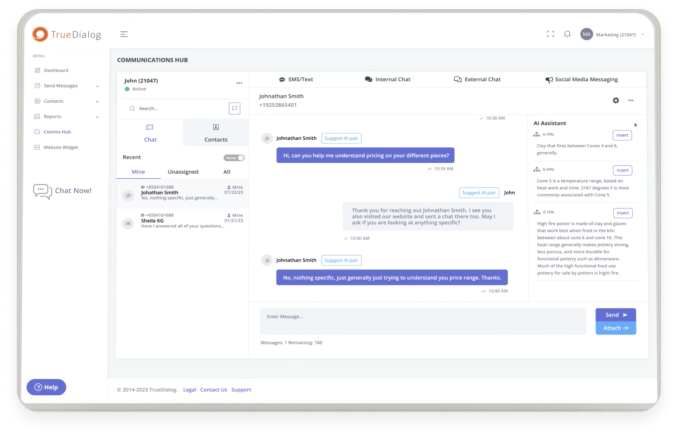
Depending on the text messaging platform you use, you’ll also have insight into texting engagement. For example, TrueDialog equips marketers with a customizable dashboard to track metrics (such as open rates and click-throughs) and generate reports in seconds.
Executing an Event Marketing Plan with Confidence
Knowing how to create a marketing plan for an event is invaluable knowledge — mostly because once you understand the steps and have a sound strategy in place, you can replicate your plan (and its success) for every future event. The trick, though, is to make sure you always use the right mix of channels and don’t waste too much time and budget on the ones that fail to drive consistent results. For example, while you might feel tempted to spend a large chunk of your budget on a splashy awareness play, nothing beats connecting directly with your audience on a channel they use regularly (like texting).
By taking time to walk through each of the steps above and being mindful about how you reach your audience, you can successfully boost event attendance and enjoy all of the relationship-deepening benefits a live event can offer.